

Every autumn, crabapple trees drop thousands of small, hard, sour apples that most people rake up and throw away. But crabapples are one of the most useful fruits you can get for free. They are too tart to eat like regular apples, yet cooking turns them into jelly, sauce, butter, chutney and more. These crabapple recipes show you what to do with crab apples, from the classics to a few ideas you may not have tried.
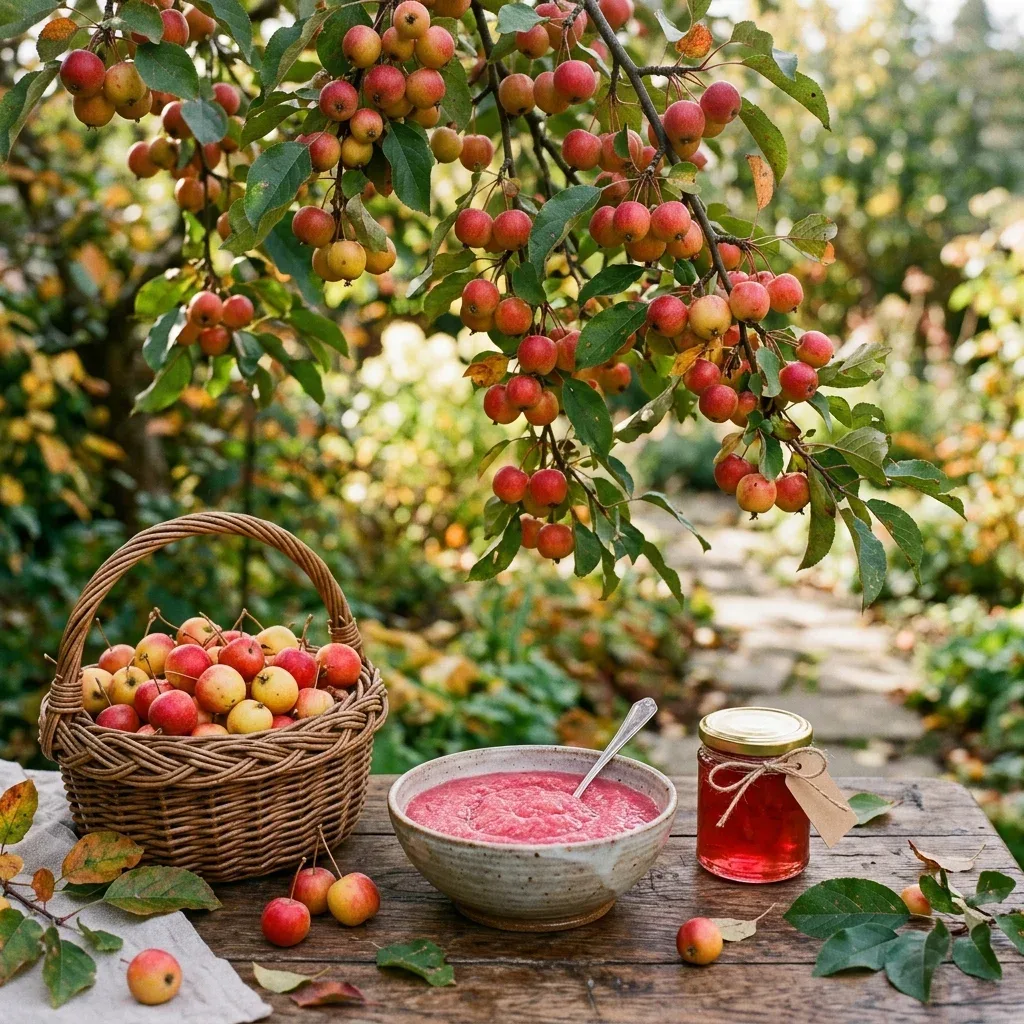
Quick answer: the best things to make with crabapples are jelly, applesauce, fruit butter, chutney, pickled crabapples and infused gin or vodka. They are also naturally rich in pectin, so you can use them to help other jams set.
Before You Start: Are Crabapples Safe to Eat?
Yes. Crabapples are simply small apples, and the flesh is safe to eat, although many are too sour or astringent to enjoy raw. Like regular apple seeds, the seeds contain a compound that can release cyanide if crushed and eaten in large amounts, so remove the cores or strain them out. If you are foraging, make sure the tree is really a crabapple and has not been sprayed with pesticides.
- Best for eating and baking: larger crabapples, such as Dolgo, Chestnut and Whitney
- Best for jelly: red-skinned varieties, which give a rosy color
- Tiny ornamental types: often very tart, but still fine for jelly or pectin
10 Crabapple Recipes and Ideas
1. Crabapple Jelly
The classic. Crabapples have so much pectin that the juice sets into a clear, pink jelly with just sugar and lemon. See our full crabapple jelly recipe for step-by-step instructions.
2. Crabapple Sauce
Simmer halved crabapples with a splash of water until very soft, then press through a food mill or sieve to remove skins and seeds. Sweeten to taste with sugar or maple syrup and add a pinch of cinnamon. It is tangier than regular applesauce and great with pork.
3. Crabapple Butter
Cook crabapple sauce down slowly with brown sugar and spices until thick and dark, like apple butter. The tartness makes it especially good with cheese and on toast.
4. Spiced Pickled Crabapples
An old-fashioned treat. Whole small crabapples, with stems left on, are gently cooked in a spiced vinegar and sugar syrup with cinnamon and cloves. They look beautiful in jars and are traditionally served with holiday roasts.
5. Crabapple Chutney
Cook chopped, cored crabapples with onion, raisins, brown sugar, vinegar and warm spices until thick. It pairs beautifully with cheddar and cold meats.
6. Crabapple Gin or Vodka
Just like damson gin: fill a jar halfway with washed, halved crabapples, add sugar and top with gin or vodka. Steep for 2 to 3 months, shaking often, then strain. It makes a pink, tart liqueur.
7. Crabapple Syrup
Boil crabapple juice (made the same way as for jelly) with sugar until slightly thickened. Use it in drinks, over pancakes, or in cocktails.
8. Homemade Pectin Stock
Cook crabapples in water, strain the juice, and freeze it in portions. Add a few spoonfuls to low-pectin fruits like strawberries or peaches to help them set without store-bought pectin.
9. Roasted Crabapples
Toss whole crabapples with a little oil or butter and honey, and roast alongside pork, duck or chicken until soft and caramelized.
10. Crabapple Fruit Leather
Spread thick, sweetened crabapple sauce thinly on a lined baking sheet and dry it in a very low oven or dehydrator until no longer sticky.
How to Store Crabapples
- Keep them in the fridge for up to 2 to 3 weeks.
- Freeze them whole in bags for up to a year. Freezing even helps break them down for jelly.
- Use bruised or split fruit right away for sauce or juice.
Crabapple FAQs
Can you eat crabapples raw? You can, but most are very sour. Some larger varieties are pleasant straight from the tree.
When are crabapples ready to pick? Usually from late summer to autumn, when they have their full color and come away from the branch easily.
Can I use crabapples instead of regular apples? Yes, in cooked recipes. Add extra sugar, since they are much more tart.
Looking for more seasonal preserves? Try our damson jam and grape jelly from fresh grapes, or browse all our jams and preserves.