

Soyaki Salmon Marinade Recipe: The Best Sweet and Savory Salmon Marinade
One crucial step to a perfectly prepared salmon dish is the marinade; without it, your fish can fall flat. A nice marinade is not just flavor: it builds a better texture, helps to retain moisture, and can take any plain fish fillet into that restaurant meal territory. The soyaki salmon marinade is a sweet and savory blend of flavors that makes for an amazing glaze with fresh salmon.
With a combination of soyaki sauce, garlic, ginger, and natural seasonings, it gives you an Asian inspired balance in flavor profile. The salmon marinates and sits, allowing the flavors to soak deeper into the fish. That makes every bite rich, moist, and flavorful.
The best part is that this can be a marinade for baked soyaki salmon in the oven, a quick pan-seared salmon dinner, as well as Japanese-style salmon. Plus, it only takes a handful of ingredients and can be made in minutes!
“The secret to flavorful salmon is not complicated cooking techniques; it is using the right balance of seasoning, timing, and preparation.”
Print recipe
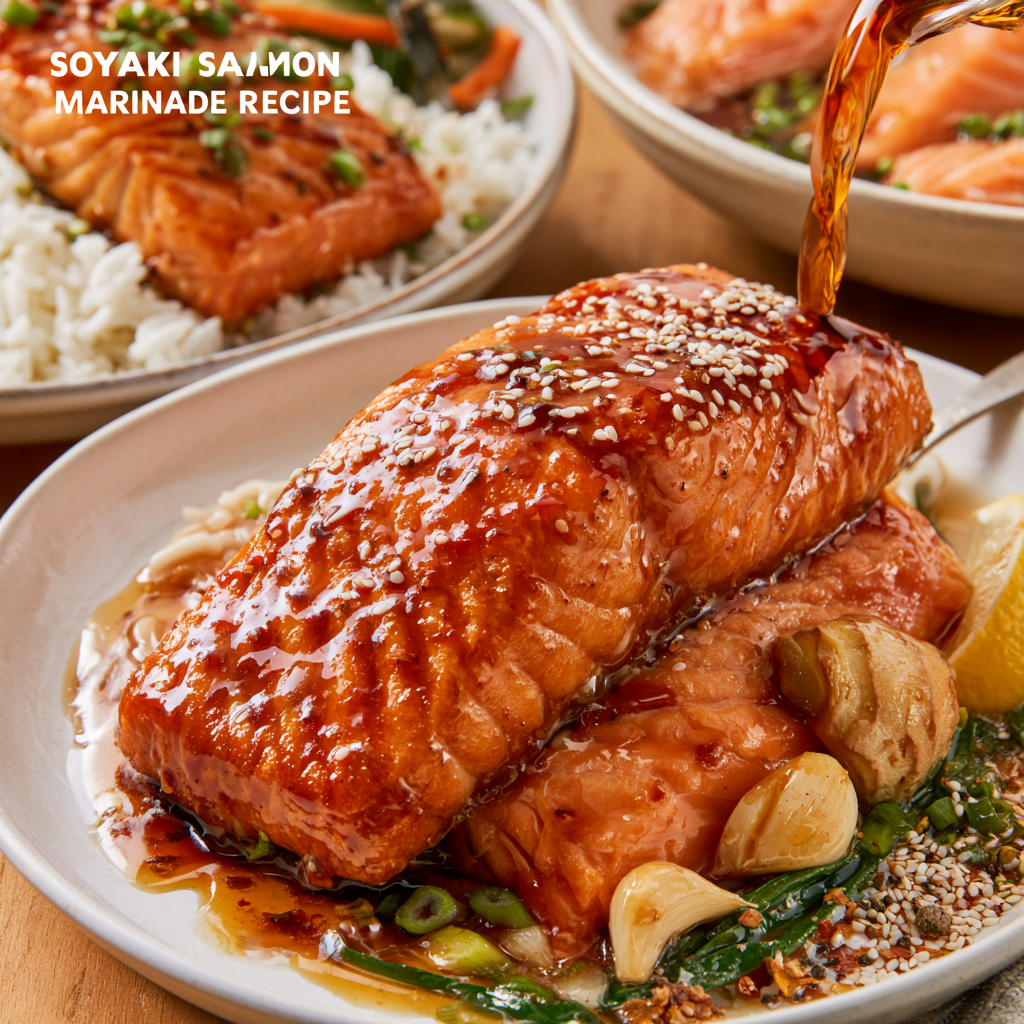
Soyaki Salmon Marinade Recipe
Ingredients
- ½ cup soyaki sauce
- 2 –3 garlic cloves minced
- 1 tablespoon fresh ginger grated
- 1 tablespoon olive oil
- 1 teaspoon sesame oil
- 1 tablespoon lemon juice or rice vinegar
- 1 tablespoon honey or brown sugar optional for extra sweetness
- 1 teaspoon sesame seeds
- 2 tablespoons chopped green onions
- 4 salmon fillets about 1.5–2 lbs total
Equipment
- Measuring spoons and cups
- Whisk or spoon
- Garlic press or knife
- Grater for fresh ginger
- Shallow dish or zip-top bag for marinating
- Refrigerator
- Baking sheet (for baked salmon method)
- Parchment paper or foil (optional)
Method
- Prepare the Soyaki Marinade

- Add soyaki sauce to a mixing bowl.
- Add minced garlic, grated ginger, olive oil, sesame oil, and lemon juice.
- Add honey or brown sugar if you prefer a sweeter flavor.
- Mix all ingredients until well combined.
- Prepare the Salmon
- Pat salmon fillets dry using paper towels.
- Remove any remaining bones if needed.
- Place salmon in a shallow dish or resealable bag.
- Marinate the Salmon
- Pour the soyaki marinade over the salmon.
- Make sure all sides are evenly coated.
- Cover and refrigerate for 30 minutes to 1 hour.
- Cook the Salmon
- Choose your preferred method:
- Oven Method:
- Preheat oven to 400°F (200°C).
- Place salmon on a lined baking sheet.
- Bake for 12–15 minutes until tender and flaky.
- Pan Method:
- Heat oil in a pan.
- Cook salmon until golden and fully cooked.
- Grill Method:
- Grill salmon until cooked through with a caramelized glaze.
- Finish and Serve
- Add sesame seeds and green onions on top.
- Serve with rice, vegetables, noodles, or bok choy.
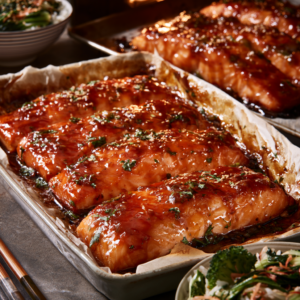
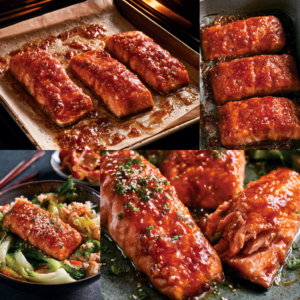
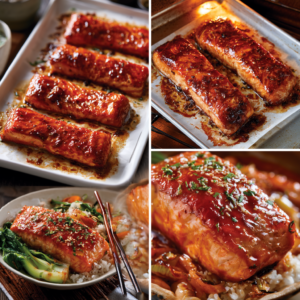
Nutrition
Notes
- For the best flavor, allow salmon to marinate for 30–60 minutes.
- Avoid marinating too long because salmon has a delicate texture.
- Always reserve fresh marinade separately if you want to use it as a glaze.
- Fresh garlic and ginger provide a stronger flavor than dried alternatives.
- This marinade works well with salmon, chicken, tofu, shrimp, and vegetables.
- Leftover cooked salmon can be stored in an airtight container for up to 3 days in the refrigerator.
- For a sweeter soyaki glazed salmon recipe, add extra honey before baking.
Private Notes
Tried this recipe?
Let us know how it was!Table of contents
- What Is a Soyaki Salmon Marinade Recipe?
- Understanding Soyaki Sauce
- Soyaki Marinade vs Teriyaki Marinade
- Why Soyaki Marinade Works So Well With Salmon
- Ingredients for Soyaki Salmon Marinade Recipe
- Soyaki Salmon Marinade Ingredients Table
- How to Make Soyaki Salmon Marinade Recipe Step by Step
- How Long Should Salmon Marinate in Soyaki Sauce?
- Why You Should Not Marinate Salmon Too Long
- How to Cook Salmon With Soyaki Sauce
- Baked Soyaki Salmon in Oven Method
- How to Bake Soyaki Salmon in the Oven
- How to Create a Soyaki Glazed Salmon Recipe
- How to Make the Glaze
- Pan-Seared Soyaki Salmon Method
- Air Fryer Soyaki Salmon Method
- Japanese Style Soyaki Salmon Recipe Approach
- Sweet Soyaki Salmon Recipe Variation
- Professional Tips for Better Results
- Easy Soyaki Salmon Recipe Ideas and Variations
- Easy Soyaki Salmon Recipe Ideas
- Soyaki Sauce Recipe for Chicken
- Soyaki Tofu Recipe: Vegetarian Alternative
- Common Mistakes When Making Soyaki Salmon Marinade Recipe
- How to Store Soyaki Salmon Marinade
- Frequently Asked Questions About Soyaki Salmon Marinade Recipe
- Final Thoughts on Soyaki Salmon Marinade Recipe
What Is a Soyaki Salmon Marinade Recipe?
This soyaki salmon marinade recipe is a savory sauce to marinate the fish before cooking it. Soyaki sauce pairs soy with other elements that amplify salmon5 natural flavors while adding sweetness, complexity, and a bit of fragrance.
Where a basic sprinkling of salt and pepper only ever hits the surface, with marinade all those flavors can permeate deep into the flesh before cooking. This builds a more well-rounded flavor and causes it to yield a beautiful glaze in the presence of heat.
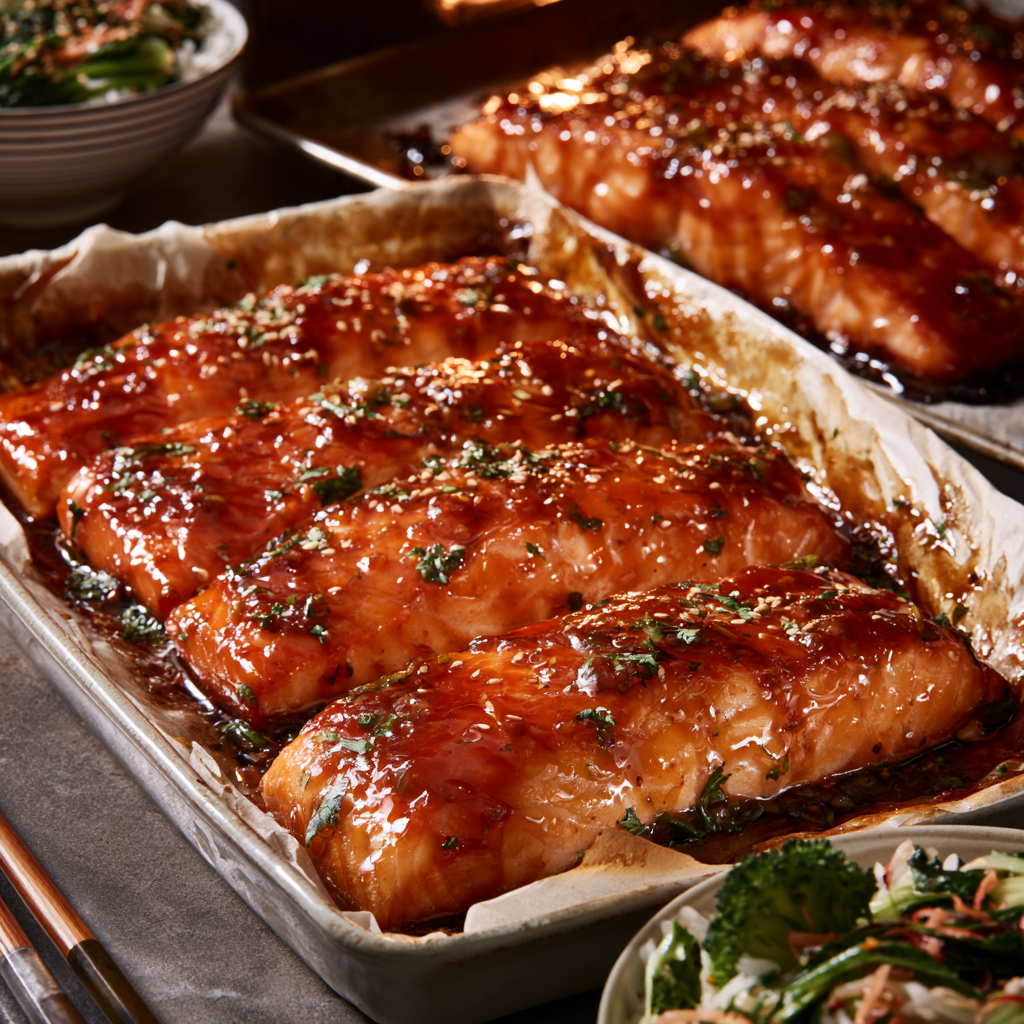
Soyaki marinade is especially popular because it combines several flavor elements:
| Flavor Element | Ingredient Source | Purpose |
|---|---|---|
| Salty umami | Soy sauce | Creates depth and richness |
| Sweet flavor | Sugar, honey, or sweeteners | Balances saltiness |
| Fresh aroma | Ginger and garlic | Adds complexity |
| Nutty notes | Sesame oil or seeds | Improves overall taste |
| Brightness | Lemon or vinegar | Balances rich flavors |
The result is a marinade that works especially well with salmon because salmon naturally contains healthy fats that carry and enhance flavors.
Understanding Soyaki Sauce
What Is Soyaki Sauce?
Soyaki sauce is an Asian-style marinade, glaze, or cooking ingredient. In a way, it combines salty soy sauce with sweet and spicy notes.
Legendary Trader Joe’s Soyaki sauce is a well-known easy option for anyone who is accustomed to simple flavors, combining Kalb-like soy sauce with garlic, ginger, and sesame (think teriyaki in this case).
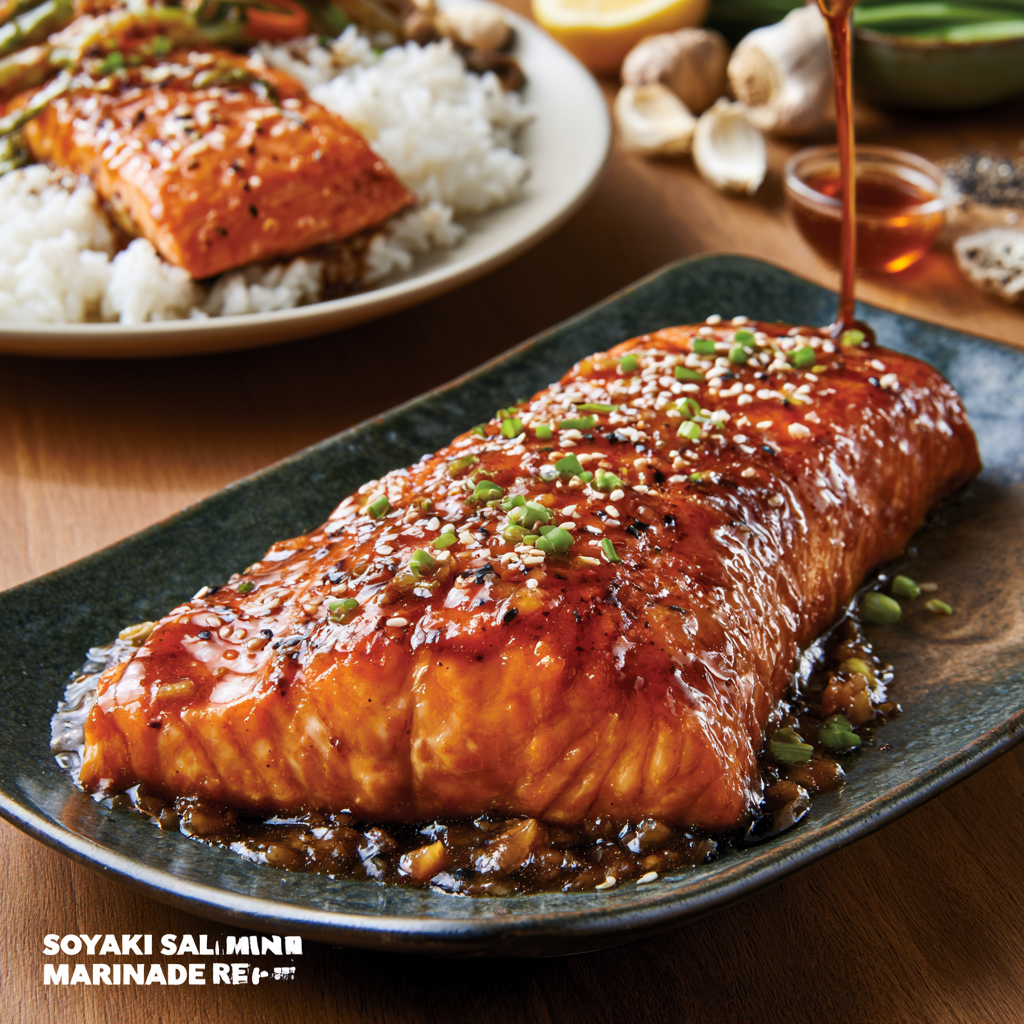
A typical soyaki sauce contains:
- Soy sauce
- Sugar or sweetener
- Garlic
- Ginger
- Sesame flavor
- Vinegar or citrus elements
These ingredients create a balanced sauce that works well with:
- Salmon
- Chicken
- Tofu
- Vegetables
- Rice bowls
Soyaki Marinade vs Teriyaki Marinade
Although soyaki and teriyaki sauces are similar, they have some differences.
| Feature | Soyaki Marinade | Teriyaki Marinade |
|---|---|---|
| Main flavor | Sweet, savory, garlic, ginger | Sweet and salty |
| Texture | Usually thinner and suitable for marinating | Often thicker glaze |
| Main uses | Fish, chicken, tofu, vegetables | Meat and seafood |
| Flavor complexity | More aromatic | More traditional |
For salmon, soyaki marinade is especially effective because the ginger and garlic flavors complement the richness of the fish.
Why Soyaki Marinade Works So Well With Salmon
Salmon is one of the best proteins for marinades because of its naturally rich texture and mild flavor.
The natural oils in salmon help carry flavors throughout the fish. Therefore, when combined with a sweet and savory marinade, the result is a balanced dish with:
- A flavorful outer layer
- Moist interior
- Rich aroma
- Beautiful glaze
Benefits of Using Soyaki Marinade for Salmon
| Benefit | Explanation |
|---|---|
| Better flavor | Adds sweet and savory notes |
| Improved texture | Helps keep salmon moist |
| Easy preparation | Requires minimal ingredients |
| Versatile cooking | Works with baking, grilling, and pan cooking |
| Professional results | Creates restaurant-style flavor at home |
Ingredients for Soyaki Salmon Marinade Recipe
A great marinade does not need dozens of ingredients. The best results usually come from combining a few high-quality ingredients in the right proportions.
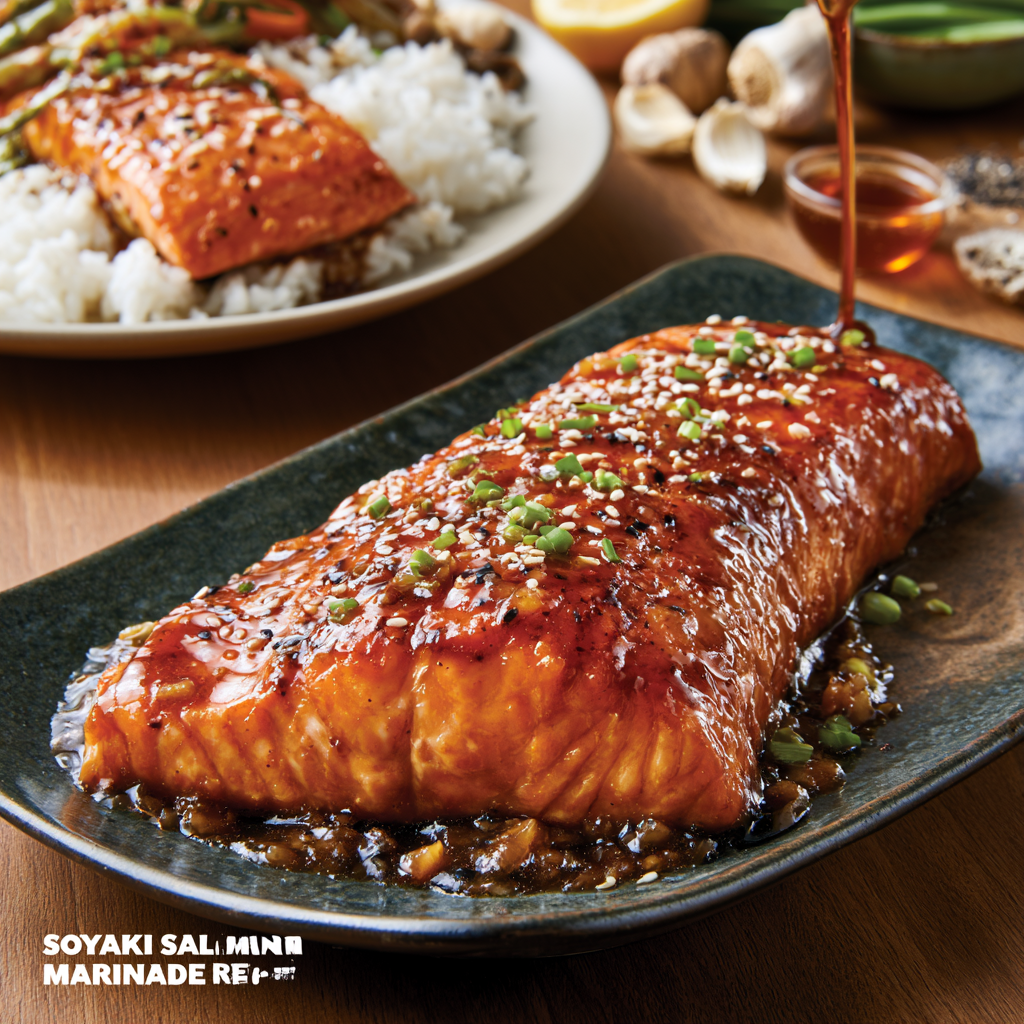
Main Ingredients
Soyaki Sauce
Soyaki sauce is the foundation of this recipe.
It provides:
- Saltiness
- Sweetness
- Umami flavor
- Garlic and ginger notes
For convenience, many home cooks use store-bought soyaki sauce. However, a homemade version can also be created by combining soy sauce with sweeteners and seasonings.
Fresh Garlic
Garlic adds a strong savory character to the marinade.
Fresh garlic works best because it provides:
- More aroma
- More intense flavor
- Better freshness
Fresh Ginger
Ginger creates the signature Asian-inspired taste.
It adds:
- Warm spice
- Fresh aroma
- Slight sweetness
Sweetener
A sweet ingredient helps balance the salty soy sauce.
Popular options include:
| Sweetener | Flavor Result |
|---|---|
| Honey | Rich and smooth sweetness |
| Brown sugar | Deep caramel flavor |
| Maple syrup | Mild natural sweetness |
Sesame Oil
Sesame oil is optional but recommended.
It adds:
- Nutty aroma
- Rich flavor
- More authentic Asian-style taste
Soyaki Salmon Marinade Ingredients Table
| Ingredient | Amount |
|---|---|
| Soyaki sauce | ½ cup |
| Garlic (minced) | 2–3 cloves |
| Fresh ginger | 1 tablespoon |
| Olive oil | 1 tablespoon |
| Sesame oil | 1 teaspoon |
| Lemon juice | 1 tablespoon |
| Honey (optional) | 1 tablespoon |
| Sesame seeds | 1 teaspoon |
How to Make Soyaki Salmon Marinade Recipe Step by Step
This soyaki salmon marinade recipe is as easy to make and only takes a couple of minutes. Still, how you combine the ingredients may affect what they taste like in the end. A good marinade will have too much sweetness, saltiness, and acidity balanced with aromatic flavors.
You want to not just drench the salmon in sauce, but have a flavorful crust that complements and enhances the natural flavor of this beautiful fish.
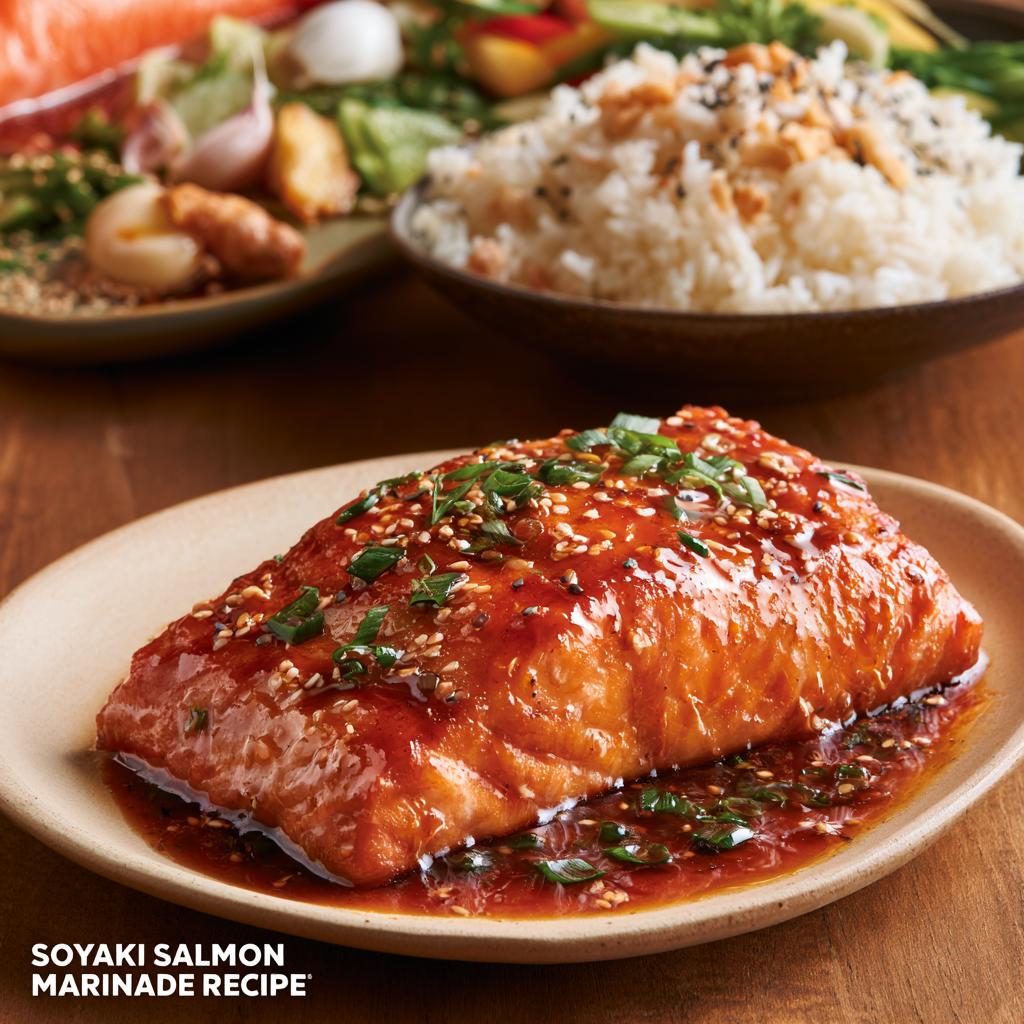
Step 1: Prepare the Marinade Ingredients
Before mixing the marinade, prepare all ingredients.
You will need:
- Soyaki sauce
- Fresh garlic
- Fresh ginger
- Olive oil
- Sesame oil
- Lemon juice
- Optional sweetener such as honey
Preparing ingredients in advance makes the process faster and ensures that flavors are evenly distributed.
Helpful Tip:
Fresh ingredients usually create a stronger flavor compared to dried alternatives. For example, fresh grated ginger provides a brighter and more natural taste than powdered ginger.
Step 2: Combine Soyaki Sauce and Seasonings
In a medium bowl:
- Add soyaki sauce.
- Add minced garlic.
- Add grated ginger.
- Add olive oil and sesame oil.
- Add lemon juice.
- Mix everything together until combined.
The final marinade should have:
- A smooth texture
- A sweet and savory aroma
- A slightly thick consistency
Step 3: Prepare the Salmon Before Marinating
Proper salmon preparation is an important step that many beginners overlook.
Before adding the marinade:
- Remove excess moisture using paper towels.
- Check for any remaining bones.
- Place salmon fillets in a shallow container.
Drying the salmon helps the marinade stick better to the surface.
Step 4: Apply the Soyaki Marinade
Pour the prepared marinade over the salmon.
Make sure:
- All sides are coated evenly.
- The salmon is covered completely.
- The container is sealed before refrigeration.
For best results:
- Use a glass container or food-safe bag.
- Turn the salmon halfway through marinating.
This allows the flavors to reach all areas of the fish.
How Long Should Salmon Marinate in Soyaki Sauce?
One of the most common questions about a soyaki salmon marinade recipe is how long the salmon should rest before cooking.
The ideal time depends on the thickness of the salmon.
| Salmon Type | Recommended Marinating Time |
|---|---|
| Thin salmon pieces | 15–30 minutes |
| Medium salmon fillets | 30–60 minutes |
| Thick salmon portions | 1–2 hours |
For most home recipes, 30–60 minutes provides the best balance between flavor and texture.
Why You Should Not Marinate Salmon Too Long
Although longer marinating may seem better, it is not always recommended.
Over-marinating can cause:
- Softer texture
- Excess saltiness
- Strong sauce flavor that hides the salmon taste
Unlike some meats, fish absorbs flavors quickly because its texture is more delicate.
Therefore, a shorter marinating time usually produces better results.
How to Cook Salmon With Soyaki Sauce
Once your salmon has absorbed the marinade, there are several cooking methods available.
The most popular options include:
- Oven baking
- Pan searing
- Air frying
- Grilling
Each method creates a slightly different texture.
Baked Soyaki Salmon in Oven Method
The baked soyaki salmon in oven method is one of the easiest and most reliable ways to prepare this recipe.
Baking provides:
- Even cooking
- Tender texture
- Less preparation work
- Consistent results
How to Bake Soyaki Salmon in the Oven
Step 1: Preheat the Oven
Set your oven to:
400°F (200°C)
A properly heated oven helps the salmon cook evenly.
Step 2: Prepare the Baking Tray
Line a baking sheet with:
- Parchment paper
- Aluminum foil
Place salmon fillets on the tray with enough space between each piece.
Step 3: Add Extra Soyaki Sauce
Before baking:
- Brush additional marinade over the salmon.
- Reserve some sauce for finishing.
This creates a stronger glaze after cooking.
Step 4: Bake the Salmon
Bake according to thickness:
| Salmon Thickness | Cooking Time |
|---|---|
| Thin fillets | 10–12 minutes |
| Medium fillets | 12–15 minutes |
| Thick portions | 15–20 minutes |
The salmon is ready when:
- It flakes easily with a fork.
- The center is slightly moist.
- The color changes from translucent to opaque.
How to Create a Soyaki Glazed Salmon Recipe
A good soyaki glazed salmon recipe focuses on creating a shiny, flavorful coating.
The glaze is what gives the salmon its restaurant-style appearance.
How to Make the Glaze
Follow these steps:
- Reserve some soyaki marinade before adding it to raw salmon.
- Warm the sauce gently in a small pan.
- Allow it to reduce slightly.
- Brush it over the salmon before serving.
This creates:
- A glossy surface
- Stronger flavor
- Better presentation
Pan-Seared Soyaki Salmon Method
For a faster cooking option, pan-searing works well.
Steps:
- Heat a pan with a small amount of oil.
- Place salmon skin-side down.
- Cook until the skin becomes crispy.
- Flip and add soyaki sauce.
- Cook until fully done.
Benefits:
- Crispy exterior
- Fast preparation
- Rich caramelized flavor
Air Fryer Soyaki Salmon Method
Air frying is another practical option.
Advantages:
- Faster cooking time
- Less oil needed
- Good parallelization
General method:
- Preheat air fryer.
- Cook salmon at around 390°F.
- Cook for approximately 7–10 minutes depending on thickness.
Japanese Style Soyaki Salmon Recipe Approach
A Japanese style soyaki salmon recipe focuses on simple ingredients and balanced flavors.
Common additions include:
- Sesame seeds
- Green onions
- Rice
- Pickled vegetables
- Steamed greens
The goal is to highlight the natural flavor of salmon rather than cover it completely.
A traditional-inspired serving combination includes:
| Food | Purpose |
|---|---|
| Salmon | Main protein |
| Rice | Absorbs sauce |
| Vegetables | Adds freshness |
| Sesame | Adds texture |
Sweet Soyaki Salmon Recipe Variation
For people who prefer a sweeter flavor, a sweet soyaki salmon recipe can be created easily.
Add:
- Honey
- Brown sugar
- Maple syrup
The extra sweetness helps create:
- Better parallelization
- Richer glaze
- More family-friendly flavor
However, avoid adding too much sugar because the sauce can burn quickly at high temperatures.
Professional Tips for Better Results
Use High-Quality Salmon
Fresh salmon usually provides:
- Better texture
- Cleaner flavor
- More moisture
Do Not Skip Drying the Salmon
Removing moisture improves:
- Sauce absorption
- Browning
- Final texture
Save Extra Marinade Before Using It
Never reuse marinade that has touched raw fish unless it is cooked first.
Instead:
- Reserve clean sauce separately.
- Use it for glazing.
Add Fresh Toppings After Cooking
The best finishing ingredients include:
- Green onions
- Sesame seeds
- Lemon zest
- Fresh herbs
These add freshness and improve presentation.
Easy Soyaki Salmon Recipe Ideas and Variations
A good soyaki salmon marinade recipe can come in a number of cooking styles. After you make the marinade, it can be used in different ways for many similar meals.
As a result, soyaki salmon is an ideal option for busy families and meal prep, or anyone who wants to keep their seafood simple yet delicious in flavor.
The marinade can be used for:
- Oven-baked salmon
- Rice bowls
- Salads
- Noodles
- Grilled salmon
- Meal prep containers
The flexibility of soyaki sauce is one reason why it has become a popular choice for modern Asian-inspired cooking.
Easy Soyaki Salmon Recipe Ideas
1. Soyaki Salmon Rice Bowl
A soyaki salmon rice bowl is one of the easiest ways to enjoy leftover salmon.
Ingredients:
| Ingredient | Purpose |
|---|---|
| Cooked rice | Base of the bowl |
| Soyaki salmon | Main protein |
| Vegetables | Freshness and texture |
| Sesame seeds | Extra flavor |
| Green onions | Fresh topping |
Preparation:
- Add cooked rice to a bowl.
- Place soyaki salmon on top.
- Add vegetables such as cucumber, carrots, or book coy.
- Finish with sesame seeds and green onions.
This option is:
- Quick
- Balanced
- Easy to prepare ahead
2. Soyaki Salmon Salad
For a lighter meal, combine salmon with fresh vegetables.
Good additions include:
- Mixed greens
- Avocado
- Cucumber
- Edamame
- Carrots
The sweet and savory soyaki flavor works well with fresh ingredients because it creates contrast.
3. Soyaki Salmon Noodles
Soyaki salmon also pairs well with noodles.
Recommended options:
- Rice noodles
- soda noodles
- upon noodles
Add:
- Stir-fried vegetables
- Extra soyaki sauce
- Sesame seeds
This creates a complete meal with protein, carbohydrates, and vegetables.
Soyaki Sauce Recipe for Chicken
The same flavor concept can be used for chicken.
A soyaki sauce recipe for chicken follows a similar preparation method because chicken also absorbs marinades effectively.
Chicken Soyaki Marinade Ingredients:
| Ingredient | Amount |
|---|---|
| Soy sauce | ½ cup |
| Honey | 2 tablespoons |
| Garlic | 2 cloves |
| Ginger | 1 tablespoon |
| Sesame oil | 1 teaspoon |
| Lemon juice | 1 tablespoon |
How to Use Soyaki Marinade With Chicken
Steps:
- Combine all ingredients.
- Coat chicken pieces.
- Marinate for 1–4 hours.
- Cook by grilling, baking, or pan-searing.
Chicken generally requires longer cooking time than salmon because it has a different texture and density.
Soyaki Tofu Recipe: Vegetarian Alternative
For a plant-based option, soyaki tofu is a simple and flavorful choice.
Tofu absorbs marinades extremely well because of its porous structure.
How to Prepare Soyaki Tofu
Steps:
- Press tofu to remove excess moisture.
- Cut tofu into cubes.
- Add soyaki marinade.
- Allow it to absorb flavors.
- Bake or pan-fry until golden.
Best Ways to Serve Soyaki Tofu
Serve with:
- Rice bowls
- Stir-fried vegetables
- Noodles
- Salads
This makes soyaki marinade a versatile option beyond seafood.
Common Mistakes When Making Soyaki Salmon Marinade Recipe
Even a simple recipe can produce poor results if a few important steps are missed.
Understanding common mistakes helps create better results every time.
Mistake 1: Using Too Much Marinade
More sauce does not always mean more flavor.
Too much marinade can make salmon:
- Too salty
- Overpowered
- Difficult to glaze
The goal is a balanced coating.
Mistake 2: Marinating Salmon for Too Long
Fish has a delicate structure.
Over-marinating can lead to:
- Soft texture
- Strong salty flavor
- Loss of natural salmon taste
The recommended time is usually:
30 minutes to 1 hour
Mistake 3: Cooking Salmon at Too High a Temperature
High heat may cause:
- Dry texture
- Burned glaze
- Uneven cooking
A moderate temperature provides better control.
Mistake 4: Not Drying Salmon Before Marinating
Wet salmon does not absorb flavors as effectively.
Always:
- Remove packaging moisture.
- Pat salmon dry.
- Apply marinade.
This improves both flavor and texture.
Mistake 5: Using Raw Marinade as a Sauce
Never use marinade that has touched raw salmon as a finishing sauce unless it has been properly cooked.
Instead:
- Reserve a clean portion before marinating.
- Use that portion for glazing.
How to Store Soyaki Salmon Marinade
A homemade marinade can be stored properly for future use.
Storage Guidelines:
| Storage Method | Duration |
|---|---|
| Refrigerator | 3–5 days |
| Freezer | Up to 3 months |
Store marinade in:
- Airtight glass containers
- Clean jars
- Sealed food containers
Can You Freeze Salmon With Soyaki Marinade?
Yes, salmon can be frozen with marinade.
This is a useful meal preparation method.
Steps:
- Place fresh salmon in a freezer-safe bag.
- Add soyaki marinade.
- Remove excess air.
- Freeze.
When ready:
- Thaw in the refrigerator.
- Cook normally.
This method allows the salmon to absorb flavors while thawing.
Frequently Asked Questions About Soyaki Salmon Marinade Recipe
What Is Soyaki Sauce Made Of?
Soyaki sauce is typically made with:
- Soy sauce
- Sweeteners
- Garlic
- Ginger
- Sesame flavors
- Acidic ingredients
It creates a sweet and savory flavor profile similar to teriyaki but with additional aromatic notes.
Can I Make Homemade Soyaki Sauce?
Yes.
A homemade version can be created using:
- Soy sauce
- Honey or sugar
- Garlic
- Ginger
- Sesame oil
- Rice vinegar
This allows you to adjust:
- Sweetness
- Salt level
- Spice
Is Soyaki Sauce Similar to Teriyaki Sauce?
Yes, they share similarities.
Both sauces provide:
- Sweet flavor
- Soy-based seasoning
- Rich glaze
However, soyaki often includes stronger garlic and ginger flavors.
How Long Does Soyaki Marinade Last?
Properly stored soyaki marinade can usually last:
3–5 days in the refrigerator
Always store it in a clean airtight container.
Can I Use Soyaki Marinade for Other Foods?
Yes.
Soyaki marinade works well with:
- Chicken
- Tofu
- Shrimp
- Vegetables
- Beef
This makes it a valuable sauce for different meal ideas.
Final Thoughts on Soyaki Salmon Marinade Recipe
A good soyaki salmon marinade recipe is probably one of the simplest methods to finish off for a delicious fish dinner at home. You can take its soyaki sauce, garlic, ginger, and sesame flavors to give salmon a sweet and savory restaurant-quality treatment.
This marinade is quick, easy, and delivers great results every time. From baked soyaki salmon in the oven, grilled salmon and rice bowls to whatever else turns you on, that simple method creates great meals.
While there are many steps involved, what really counts is simply:
Select good salmon; and if one follows the correct marinate timings for their specific varietals as explained below, followed by careful cooking to avoid overcooking. Well, a person can still cook salmon perfectly tender and flaky at home with the right preparation method.
Overall, this soyaki salmon marinade recipe is a no-frills workhorse of a recipe and an essential part for any home cook.