

Baked Soyaki Salmon in Oven: A Sweet and Savory Salmon Recipe
If you want a simple seafood dinner falling somewhere between fall-off-the-bone restaurant-flavored deliciousness and only slightly less effort to fully lose your favorite recipes, then baking soy sauce-glazed Baked Soyaki Salmon in Oven is absolutely worth adding to your ski Lankan super food recipe;) A delightfully juicy salmon fillet is cooked in an amazing homemade soyaki sauce marinade that brings sweet, savory, and slightly tangy flavors together perfectly!
In contrast to his complicated seafood recipes, the soyaki salmon was all about simplicity: top-notch salmon with a delicious quick marinade and proper oven-baking technique. This allows even inexperienced cooks to prepare a moist and beautifully glazed salmon at home.
One of the most popular searing methods is in an oven-baking way, which gives you evenly cooked salmon as well as absorbed soyaki sauce flavor. In addition, baking allows for the outside to form a slightly caramelized glaze while keeping the interior moist and tender.
“The secret to great baked salmon is not just the sauce — it is the balance between temperature, timing, and preparation.”
In this guide, you will learn everything about making baked soyaki salmon in oven, including choosing salmon, preparing a soyaki marinade, baking times, serving ideas, common mistakes, and variation
Print recipe
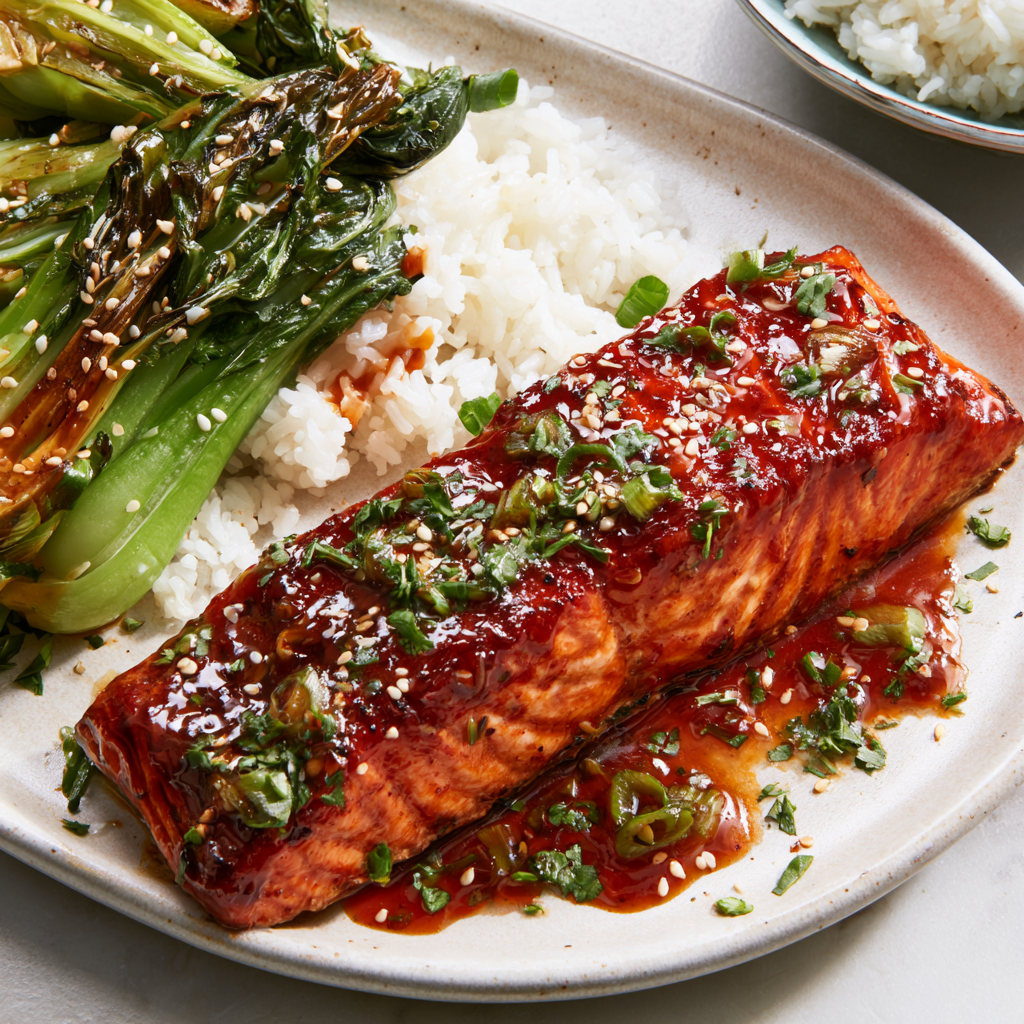
Baked Soyaki Salmon in Oven
Ingredients
- 4 salmon fillets about 1.5–2 lbs total
- ½ cup soyaki sauce
- 2 cloves garlic minced
- 1 tablespoon fresh ginger grated
- 1 tablespoon olive oil
- 1 teaspoon sesame oil optional
- 1 tablespoon lemon juice
- 1 teaspoon sesame seeds
- 2 tablespoons sliced green onions
- Salt and black pepper to taste
- Lemon slices for serving optional
Equipment
- Baking sheet
- Parchment paper or aluminum foil
- Measuring spoons
- Whisk or spoon
- Kitchen brush (optional)
- Paper towels
Method
- Prepare the salmon

- Pat the salmon fillets dry with paper towels.
- Place them on a plate or shallow dish.
- Make the soyaki marinade
- In a bowl, combine soyaki sauce, minced garlic, grated ginger, olive oil, sesame oil, and lemon juice.
- Mix well until combined.
- Marinate the salmon
- Pour the soyaki marinade over the salmon fillets.
- Allow the salmon to marinate for 30 minutes to 1 hour for the best flavor.
- Preheat the oven

- Preheat the oven to 400°F (200°C).
- Line a baking sheet with parchment paper.
- Bake the soyaki salmon
- Place the salmon fillets on the prepared baking sheet.
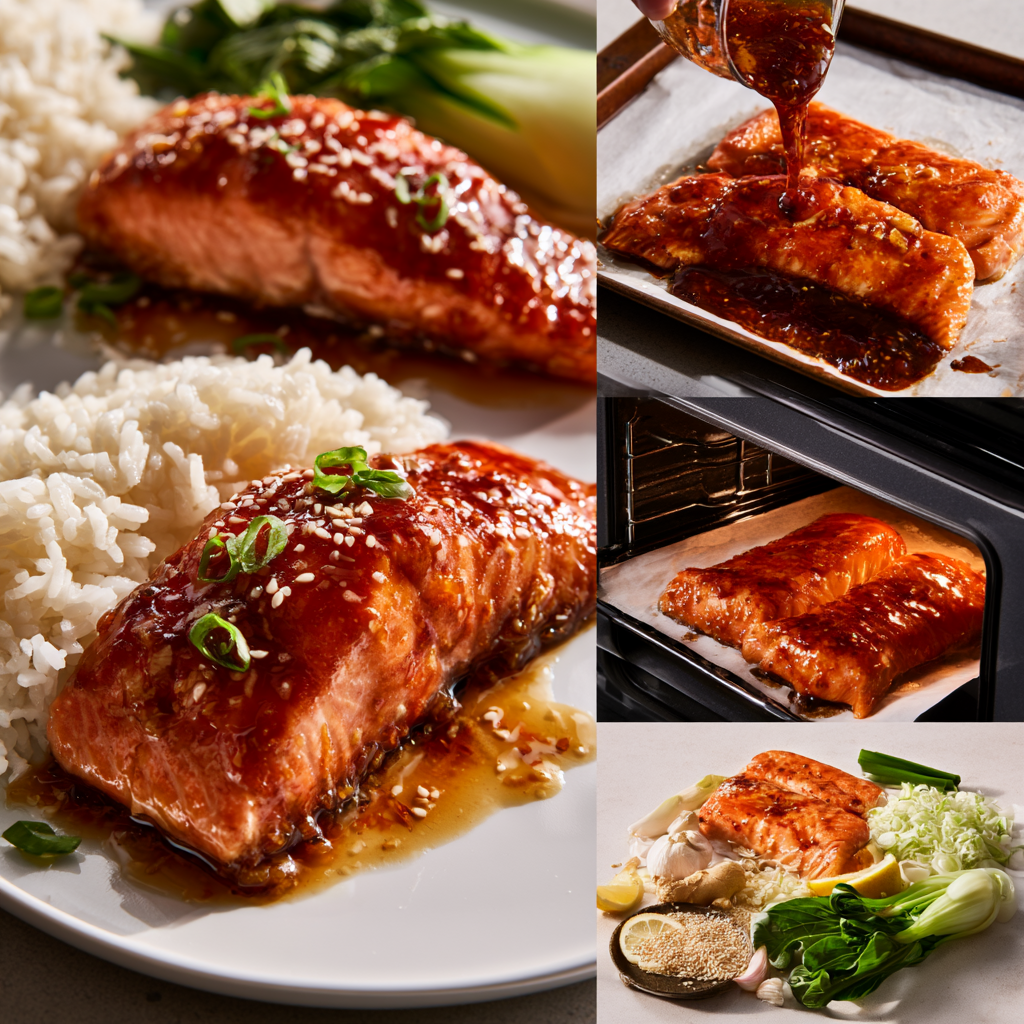
- Brush extra soyaki sauce over the top.
- Bake for 12–15 minutes, depending on the thickness of the salmon.
- Finish and serve
- Check that the salmon flakes easily with a fork.
- Add sesame seeds and green onions on top.
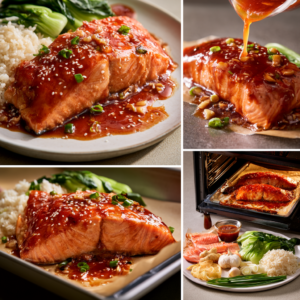
- Serve warm with rice, noodles, or bok choy soyaki vegetables.
Nutrition
Notes
- For the juiciest results, avoid overcooking the salmon.
- Fresh salmon works best, but properly thawed frozen salmon can also be used.
- Do not marinate salmon for too long because the texture may become softer.
- For extra glaze, brush additional soyaki sauce during the last few minutes of baking.
- This recipe pairs especially well with jasmine rice, steamed vegetables, or bok choy soyaki.
- Leftover baked soyaki salmon can be stored in an airtight container in the refrigerator for up to 3 days.
Private Notes
Tried this recipe?
Let us know how it was!Table of contents
- What Is Baked Soyaki Salmon?
- Why Is Soyaki Sauce So Good With Salmon?
- Ingredients for Baked Soyaki Salmon in Oven
- Ingredient Amount Table
- How to Prepare the Soyaki Marinade for Salmon
- Soyaki Marinade Recipe for Baked Salmon
- How Long Should Salmon Marinate in Soyaki Sauce?
- How to Choose the Best Salmon for Baking
- Skin-On vs Skinless Salmon
- How to Make Baked Soyaki Salmon in Oven Step by Step
- How to Know When Baked Soyaki Salmon Is Done
- How to Create a Soyaki Glaze on Salmon
- Tips for Perfect Baked Soyaki Salmon in Oven
- Case Study: Why Oven Baking Works Well for Soyaki Salmon
- Best Side Dishes for Baked Soyaki Salmon in Oven
- What Goes Well With Soyaki Salmon?
- book choc Soyaki: The Perfect Vegetable Pairing
- Rice Pairings for Soyaki Salmon
- Vegetable Side Dish Ideas
- Different Ways to Make Soyaki Recipes
- Chicken Soyaki Recipe: A Popular Alternative
- Soyaki Tofu Recipe: Vegetarian Option
- Common Mistakes When Making Baked Soyaki Salmon in Oven
- Frequently Asked Questions About Baked Soyaki Salmon in Oven
- Final Thoughts: Easy Baked Soyaki Salmon in Oven Recipe
What Is Baked Soyaki Salmon?
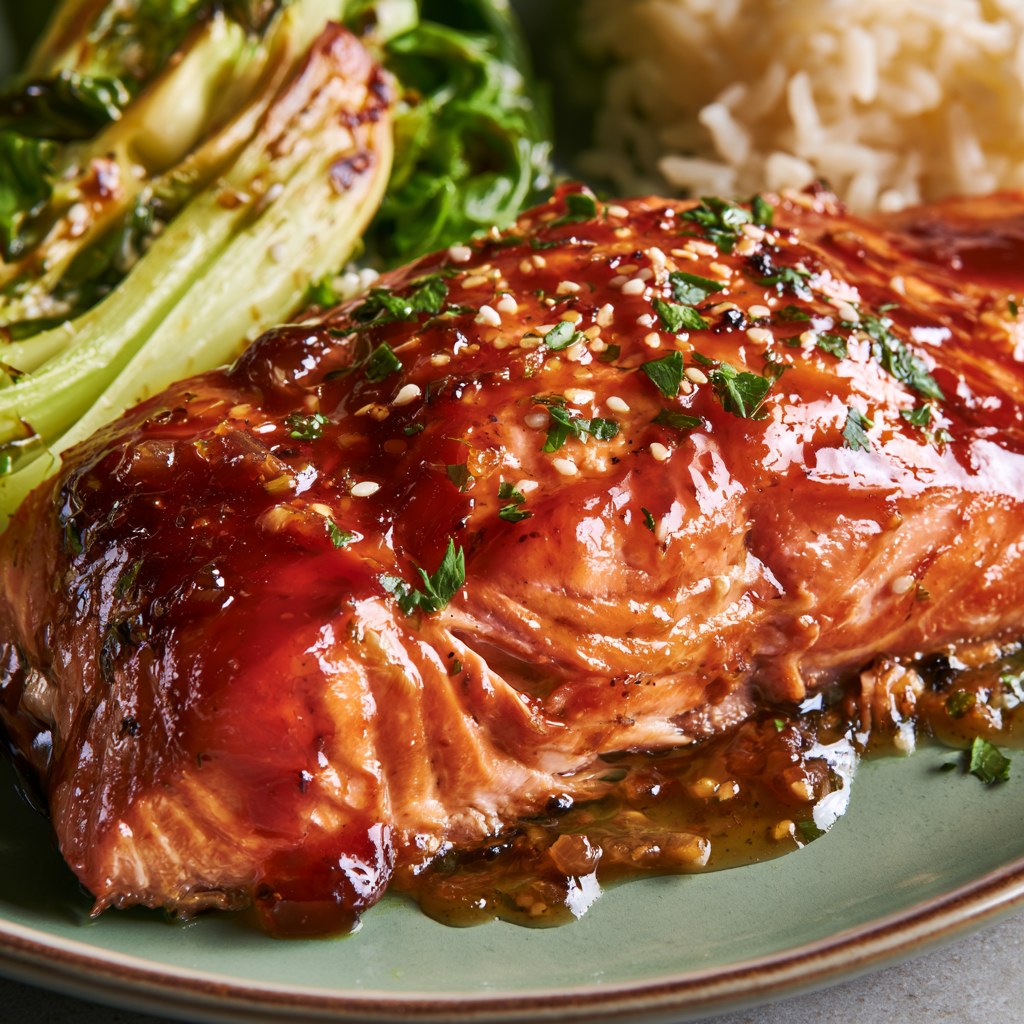
Baked soyaki salmon (oven-baked). The oven-baked version of this dish is where the fillets are coated in a thicker layer, either made with soyaki sauce or something purposefully richer than typical marinated salmon, and then cooked until tender.
Soyaki salmon takes its inspiration from Asian-style flavors and uses ingredients similar to what you would find in Japanese or teriyaki-style cooking. This results in a dish with shiny glaze, umami flavor, and lingering sweetness.
This recipe also lends itself well to salmon because it is already high in healthy fats that lend themselves to flavor. Those oils go a long way in achieving the flavor balance with soyaki sauce; each bite is both rich and seasoned.
A typical baked soyaki salmon recipe includes:
| Ingredient | Purpose |
|---|---|
| Salmon fillets | Main protein with rich flavor |
| Soyaki sauce | Sweet, savory marinade and glaze |
| Garlic | Adds depth and aroma |
| Ginger | Provides fresh Asian-inspired flavor |
| Sesame seeds | Adds texture and nutty taste |
| Green onions | Adds freshness and color |
| Lemon juice | Balances sweetness |
Why Is Soyaki Sauce So Good With Salmon?
Understanding Soyaki Sauce
Soyaki sauce is a sweet and savory sauce commonly used as a marinade, glaze, or cooking sauce. It has similarities to teriyaki sauce but often includes additional flavors such as garlic, ginger, and sesame.
The main flavor profile usually includes:
- Salty umami notes from soy sauce
- Sweetness from sugar or sweeteners
- Warm spice from ginger
- Aromatic flavor from garlic
- Slight acidity for balance
Because salmon has a naturally rich and buttery texture, the bold flavor of soyaki sauce creates a strong contrast.
For this reason, soyaki sauce salmon recipes are popular among people who want a quick meal without sacrificing flavor.
Soyaki Sauce vs Traditional Teriyaki Sauce
Although they are similar, soyaki sauce and teriyaki sauce are not exactly the same.
| Feature | Soyaki Sauce | Teriyaki Sauce |
|---|---|---|
| Main flavor | Sweet, savory, garlic, ginger | Sweet and salty |
| Texture | Often thinner and marinade-friendly | Usually thicker glaze |
| Common use | Marinades and stir-fries | Glazing meats and seafood |
| Flavor profile | More complex seasoning | More traditional sweet soy flavor |
For baked soyaki salmon in oven, soyaki sauce works well because it can penetrate the salmon before cooking while also creating a flavorful coating during baking.
Ingredients for Baked Soyaki Salmon in Oven
A great salmon recipe does not require a long ingredient list. Instead, it depends on using the right combination of flavors.
Main Ingredients
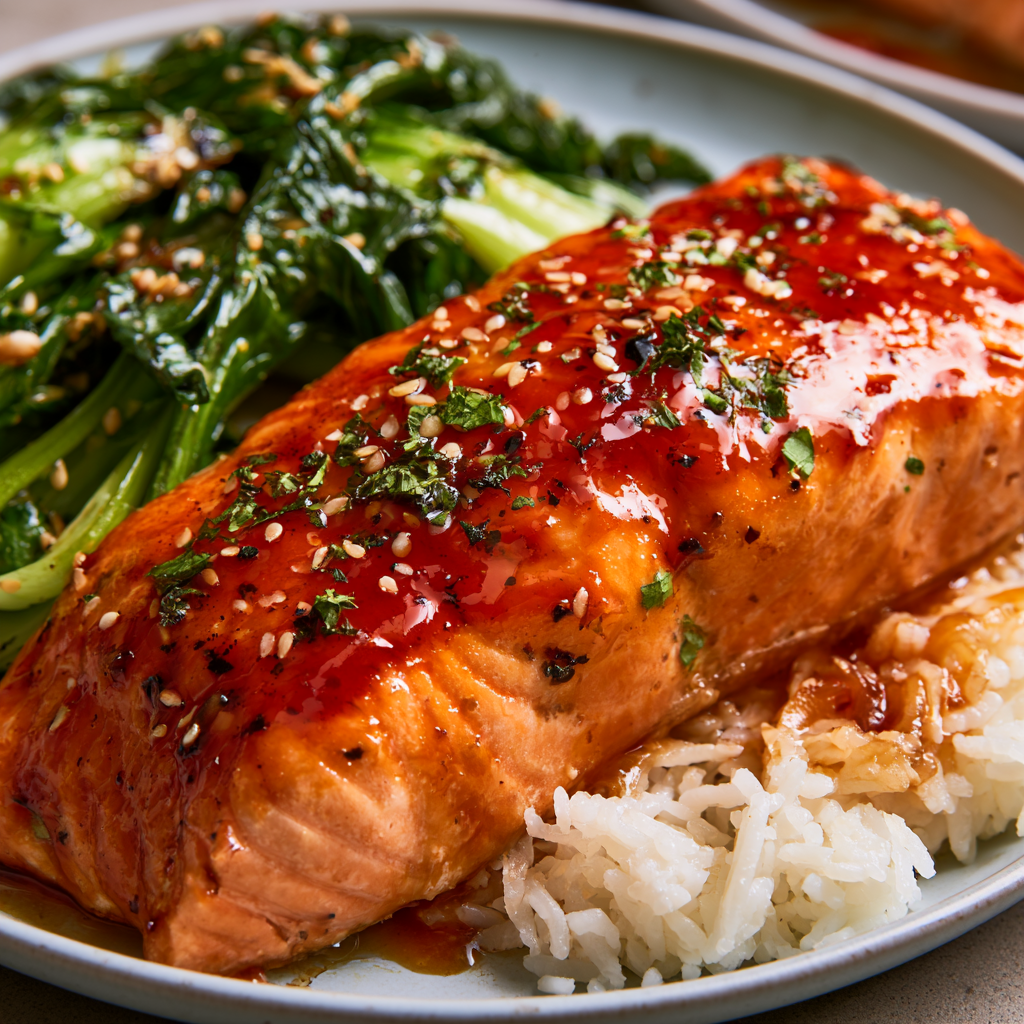
Salmon Fillets
Choose salmon pieces that are:
- Similar in thickness
- Fresh or properly thawed
- Free from strong fishy odors
Salmon varieties commonly used include:
- Atlantic salmon
- King salmon
- Sockeye salmon
- Coho salmon
Each type has a slightly different texture and flavor.
| Salmon Type | Texture | Best For |
|---|---|---|
| Atlantic Salmon | Rich and fatty | Moist baked recipes |
| King Salmon | Very rich | Premium meals |
| Sockeye Salmon | Leaner and stronger flavor | Health-focused dishes |
| Coho Salmon | Mild and balanced | Everyday cooking |
Soyaki Sauce
The star ingredient of this recipe.
Soyaki sauce provides:
- Sweetness
- Saltiness
- Garlic flavor
- Ginger aroma
- Deep umami taste
For the best results, use enough sauce to coat the salmon without completely drowning it.
Garlic and Ginger
Fresh garlic and ginger can significantly improve the final flavor.
They add:
- Fresh aroma
- Slight spice
- More depth compared to bottled sauces alone
Optional Toppings
You can finish your baked soyaki salmon with:
- Sesame seeds
- Sliced green onions
- Fresh cilantro
- Lemon slices
- Chili flakes
These ingredients improve both presentation and flavor.
Ingredient Amount Table
| Ingredient | Recommended Amount |
|---|---|
| Salmon fillets | 4 pieces (about 1.5–2 lbs) |
| Soyaki sauce | ½ cup |
| Garlic | 2–3 cloves |
| Fresh ginger | 1 tablespoon |
| Olive oil | 1 tablespoon |
| Sesame seeds | 1 teaspoon |
| Green onions | 2 tablespoons |
How to Prepare the Soyaki Marinade for Salmon
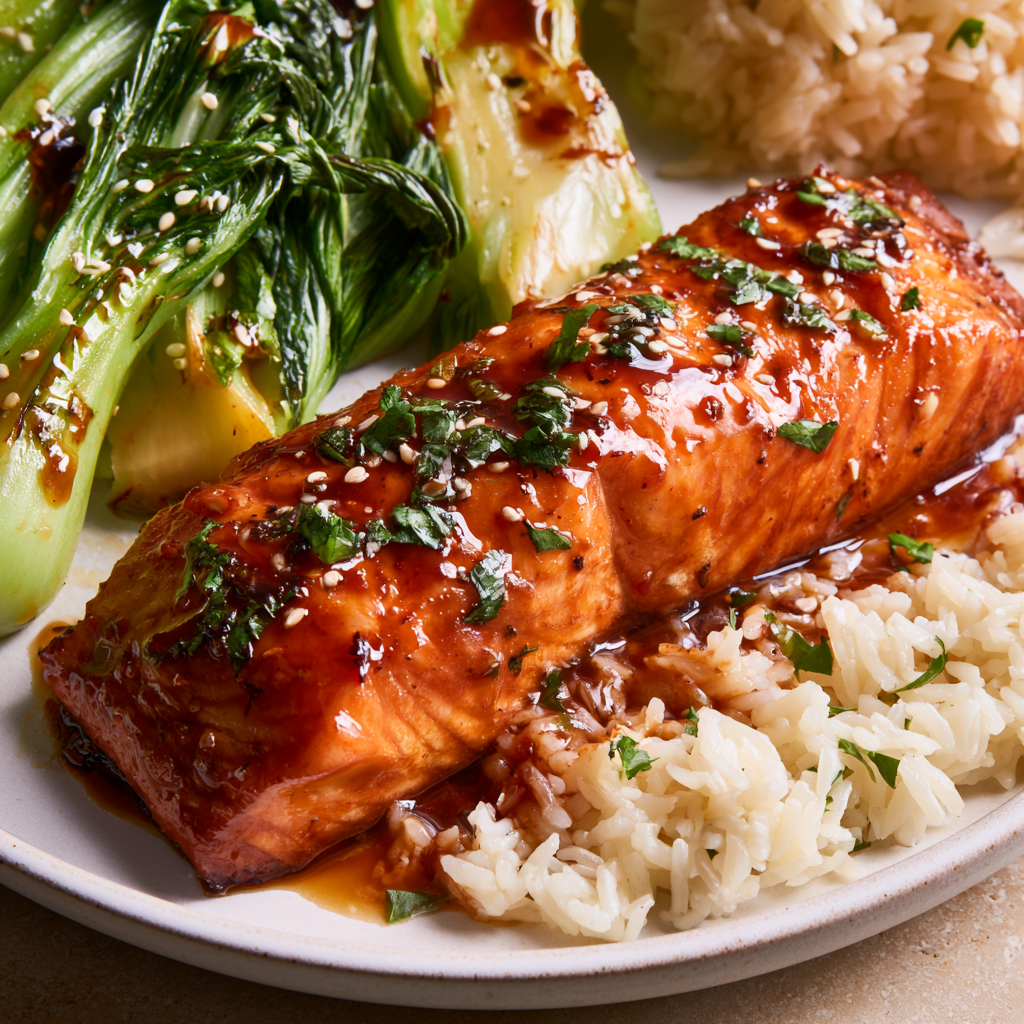
A good marinade is one of the key aspects in preparing oven-baked soyaki salmon. Besides flavor, the marinade also helps to season the salmon all over because it eventually becomes part of that yummy sweet-savory coating.
Many heavier marinades seem to overwhelm seafood, yet a simple soyaki marinade recipe works well since it combines salty, sweet, and aromatic ingredients in a balanced manner. The salmon soaks up these flavors while it rests, making each bite more flavorful.
Soyaki Marinade Recipe for Baked Salmon
A simple soyaki marinade can be prepared in just a few minutes.
Soyaki Marinade Ingredients
| Ingredient | Purpose |
|---|---|
| Soyaki sauce | Main flavor base |
| Fresh garlic | Adds savory depth |
| Fresh ginger | Adds warmth and freshness |
| Olive oil | Helps keep salmon moist |
| Lemon juice | Balances sweetness |
| Sesame oil (optional) | Adds nutty flavor |
| Red pepper flakes (optional) | Adds mild heat |
How to Make Soyaki Marinade
Follow these simple steps:
- Add soyaki sauce to a bowl.
- Mix in minced garlic and grated ginger.
- Add a small amount of olive oil and lemon juice.
- Stir until all ingredients are combined.
- Taste and adjust according to preference.
The goal is to create a marinade that enhances the salmon rather than hiding its natural flavor.
How Long Should Salmon Marinate in Soyaki Sauce?
The ideal marinating time depends on the thickness of the salmon.
| Salmon Thickness | Recommended Marinating Time |
|---|---|
| Thin fillets | 15–30 minutes |
| Medium fillets | 30–60 minutes |
| Thick salmon portions | Up to 2 hours |
For most baked soyaki salmon in oven recipes, around 30–60 minutes is enough to create excellent flavor.
However, avoid marinating salmon for too long because acidic ingredients can affect the texture and make the fish softer.
How to Choose the Best Salmon for Baking
Choosing the right salmon makes a major difference in the final result.
Fresh vs Frozen Salmon
Both fresh and frozen salmon can work well.
Fresh Salmon Benefits:
- Firm texture
- Mild flavor
- Good moisture retention
Frozen Salmon Benefits:
- Convenient
- Available year-round
- Often frozen immediately after harvesting
If using frozen salmon:
- Thaw it completely in the refrigerator.
- Remove excess moisture with paper towels.
- Apply the soyaki marinade afterward.
Removing moisture is important because dry salmon surfaces allow the soyaki sauce to stick better.
Skin-On vs Skinless Salmon
Both options work for this recipe.
Skin-On Salmon
Advantages:
- Helps protect the fish during baking
- Keeps the bottom moist
- Adds texture when crisped
Skinless Salmon
Advantages:
- Easier to serve
- Marinade covers more surface area
- Good for meal preparation
For baked salmon with soyaki sauce, skin-on salmon is often preferred because it helps retain moisture.
How to Make Baked Soyaki Salmon in Oven Step by Step
Now that the salmon and marinade are ready, it is time to prepare the dish.
Step 1: Preheat the Oven
Preheat your oven to:
400°F (200°C)
A properly heated oven ensures:
- Even cooking
- Better texture
- More consistent results
Starting with a cold oven can cause uneven cooking and may dry out the salmon.
Step 2: Prepare the Baking Sheet
Prepare your baking tray by:
- Lining it with parchment paper
- Adding a light layer of oil if needed
- Placing salmon fillets with space between each piece
Spacing is important because it allows hot air to circulate around the fish.
Step 3: Add the Soyaki Sauce Marinade
Place the salmon on the baking tray.
Then:
- Pour the soyaki marinade over the salmon.
- Make sure each piece is evenly coated.
- Reserve a small amount of sauce for finishing.
The reserved sauce can be used after baking to create a stronger soyaki glazed salmon recipe finish.
Step 4: Bake the Soyaki Salmon
Place the tray in the oven and bake.
The average cooking time is:
| Salmon Size | Baking Time at 400°F |
|---|---|
| Small fillets | 10–12 minutes |
| Medium fillets | 12–15 minutes |
| Thick portions | 15–20 minutes |
The exact time depends on:
- Salmon thickness
- Oven accuracy
- Desired level of denseness
How to Know When Baked Soyaki Salmon Is Done
Perfectly cooked salmon should:
- Easily separate with a fork
- Look opaque in the center
- Remain moist and tender
A common mistake is cooking salmon too long. Overcooking removes moisture and creates a dry texture.
For accuracy, many cooks check the internal temperature.
| Cooking Level | Internal Temperature |
|---|---|
| Medium | Around 125°F |
| Fully cooked | Around 145°F |
How to Create a Soyaki Glaze on Salmon
One of the best parts of this recipe is the glossy coating.
A good soyaki glazed salmon recipe should have a slightly sticky, flavorful surface.
To improve the glaze:
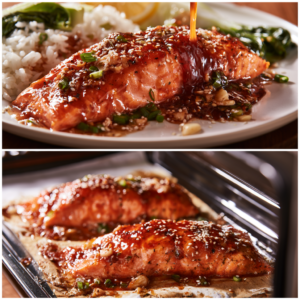
- Brush additional soyaki sauce during the final minutes of baking.
- Turn on the broiler for 1–2 minutes if desired.
- Add sesame seeds and green onions before serving.
The heat helps the sauce caramelize slightly, creating a restaurant-style finish.
Tips for Perfect Baked Soyaki Salmon in Oven
1. Do Not Over-Marinate
More time does not always mean more flavor.
Too much marinating can:
- Change the salmon texture
- Make the surface too salty
- Hide the natural salmon taste
2. Dry the Salmon Before Adding Sauce
Before marinating:
- Pat salmon dry
- Remove extra moisture
This helps the sauce stick better and improves browning.
3. Avoid Overcrowding the Baking Tray
Leave space between fillets because:
- Heat circulates better
- Cooking becomes more even
- The glaze develops better
4. Add Fresh Toppings at the End
Fresh toppings should be added after baking.
Good options include:
- Green onions
- Sesame seeds
- Fresh herbs
- Lemon zest
These add freshness and balance the richness of the salmon.
Case Study: Why Oven Baking Works Well for Soyaki Salmon
Many home cooks struggle with salmon because it can become dry quickly. The oven method solves this problem by providing steady heat.
For example:
A thick salmon fillet cooked at high direct heat may dry on the outside before the center is ready. However, baking at a controlled temperature allows the fish to cook gradually while the soyaki sauce protects the surface.
The result is:
- Moist center
- Flavorful coating
- Even cooking
- Less hands-on preparation
This makes baked soyaki salmon in oven an ideal choice for busy weeknight meals.
Best Side Dishes for Baked Soyaki Salmon in Oven
Contemplating perfect side dishes is what transforms a baked soyaki salmon in the oven into a fabulous meal. Because the soyaki salmon has a very strong sweet and salty taste, the best sides are typically fresh, light in color, and somewhat neutral too. The saltiness of the soyaki sauce needs a little balance so these sides finish off a complete meal.
That mix of protein and veggie with carbs makes this dish super versatile for family dinner, meal prep, or entertaining.
What Goes Well With Soyaki Salmon?
The best side dishes for soyaki salmon include:
| Side Dish | Why It Works |
|---|---|
| Jasmine rice | Absorbs the extra soyaki sauce |
| Brown rice | Adds fiber and a nutty flavor |
| Steamed vegetables | Creates a lighter meal |
| Bok choy | Matches the Asian-inspired flavors |
| Noodles | Works well with soyaki glaze |
| Salad | Adds freshness and crunch |
book choc Soyaki: The Perfect Vegetable Pairing
A really famous soyaki flavor is book choc soyaki.
book choc: book choc, also called pas choice or Chinese white cabbage, is a mild-flavored oriental vegetable with high water content and crisp texture. Soyaki gives it a sweet and savory flavor that is born to pair with salmon.
How to Make book choc Soyaki
Simple ingredients:
| Ingredient | Amount |
|---|---|
| Baby bok choy | 4–6 pieces |
| Soyaki sauce | 2–3 tablespoons |
| Garlic | 1 clove |
| Sesame oil | 1 teaspoon |
| Sesame seeds | Optional |
Cooking Steps:
- Wash and cut the book choc.
- Heat sesame oil in a pan.
- Add garlic and cook briefly.
- Add book choc and stir-fry.
- Add soyaki sauce.
- Cook until slightly tender.
The result is a quick vegetable side dish that complements baked soyaki salmon in oven without overpowering the main flavor.
Rice Pairings for Soyaki Salmon
Rice is one of the easiest and most popular choices because it absorbs the extra sauce from the salmon.
Best Rice Options
Jasmine Rice
Jasmine rice is soft, fragrant, and slightly sweet. It works especially well with soyaki sauce because the flavors blend naturally.
Brown Rice
Brown rice provides:
- More texture
- More fiber
- A nuttier flavor
It creates a more filling meal.
Sushi Rice
For a Japanese-inspired presentation, sushi rice works well because of its slightly sticky texture.
Vegetable Side Dish Ideas
Besides book choc soyaki, several vegetables pair well with this recipe.
Recommended Options:
Roasted Broccoli
Why it works:
- Slight bitterness balances sweetness
- Adds texture
- Easy to prepare
Green Beans
Benefits:
- Fresh flavor
- Quick cooking time
- Works well with soy-based sauces
Roasted Asparagus
Pairs well because:
- It has a mild taste
- It does not compete with the salmon
Different Ways to Make Soyaki Recipes
Baked soyaki salmon in the oven is probably the most famous, but there are many different proteins and ingredients you can use with soyaki sauce.
This sauce is excellent because it adds flavor quickly and does not need much seasoning to go with it.
Chicken Soyaki Recipe: A Popular Alternative
A chicken soyaki recipe uses the same flavor concept but replaces salmon with chicken.
Chicken works well because it absorbs marinades effectivelyChicken Soyaki Ingredients
| Ingredient | Purpose |
|---|---|
| Chicken breast or thighs | Main protein |
| Soyaki sauce | Marinade |
| Garlic | Flavor |
| Ginger | Aroma |
| Sesame seeds | Finishing touch |
Cooking Methods:
Chicken soyaki can be prepared by:
- Baking
- Grilling
- Pan cooking
- Stir-frying
The cooking approach is similar to soyaki salmon, but chicken generally requires a longer cooking time.
Soyaki Tofu Recipe: Vegetarian Option
For those who prefer plant-based meals, soyaki tofu is an excellent alternative.
Tofu absorbs soyaki sauce extremely well because of its porous texture.
How to Prepare Soyaki Tofu
Steps:
- Press tofu to remove excess moisture.
- Cut into cubes.
- Marinate with soyaki sauce.
- Bake or pan-fry until golden.
- Add sesame seeds and green onions.
Soyaki tofu works well with:
- Rice bowls
- Stir-fried vegetables
- Noodles
Common Mistakes When Making Baked Soyaki Salmon in Oven
Even though this recipe is simple, a few mistakes can affect the final result.
Mistake 1: Using Too Much Soyaki Sauce
More sauce does not always mean better flavor.
Too much soyaki sauce can make the salmon:
- Too salty
- Overwhelming
- Difficult to glaze properly
The goal is a balanced coating.
Mistake 2: Overcooking the Salmon
This is the most common salmon mistake.
Overcooked salmon becomes:
- Dry
- Firm
- Less flavorful
To prevent this:
- Check the salmon early
- Consider thickness
- Avoid leaving it in the oven too long
Mistake 3: Skipping the Marinade Time
Although salmon can be cooked immediately, allowing time for the soyaki marinade to work improves flavor.
Even 30 minutes can make a noticeable difference.
Mistake 4: Adding Soyaki Sauce Too Late
Some cooks add sauce only after cooking.
While this adds flavor, the best results come from:
- Marinating before baking
- Adding a small glaze near the end
- Finishing with fresh toppings
Frequently Asked Questions About Baked Soyaki Salmon in Oven
How Long Should I Bake Soyaki Salmon?
Most salmon fillets bake for approximately:
- 10–12 minutes for smaller pieces
- 12–15 minutes for average fillets
- 15–20 minutes for thicker cuts
The exact time depends on thickness and oven temperature.
Can I Use Frozen Salmon for This Recipe?
Yes, frozen salmon works well.
However:
- Thaw completely first.
- Remove excess water.
- Pat dry before adding soyaki sauce.
This helps create better flavor and texture.
Can I Prepare Soyaki Salmon Ahead of Time?
Yes.
You can:
- Prepare the marinade in advance
- Marinate the salmon several hours before cooking
- Store leftovers for meal preparation
Cooked salmon can usually be stored in the refrigerator for a few days.
Is Soyaki Sauce Similar to Teriyaki Sauce?
Soyaki and teriyaki are similar because both are sweet and savory sauces.
However, soyaki often has additional flavors such as:
- Garlic
- Ginger
- Sesame notes
This gives it a more complex flavor profile.
What Is the Best Temperature for Baking Salmon?
A temperature around 400°F (200°C) is commonly used because it provides:
- Even cooking
- Moist texture
- Good glaze development
Final Thoughts: Easy Baked Soyaki Salmon in Oven Recipe
Oven-baked soyaki salmon is one of the easiest, flavorful seafood dinners you can make with no complicated preparations. It incorporates flaky salmon, a mellow soyaki sauce that’s both sweet and Savoyard in flavor but still easy enough for any old weeknight meal.
The trick is picking a nice piece of salmon, making an easy soyaki marinade, and not overcooking. This served alongside sides such as rice, vegetables, or book choc soyaki makes for a complete, filling meal!
So whether you are making soyaki salmon at home for the first time or searching for easy baked seafood recipes, this oven-baked version is sure to excite your palate and senses with all the popping colors!
A perfectly baked salmon fillet does not need complicated ingredients — it only needs the right balance of flavor, timing, and technique.