
Binder for Ribs Recipe techniques are some of the simplest methods to take your flavor game up if you’re looking to improve how seasoning adheres to the right bones and produce an ultimate savory crust while barbecuing with BBQ!
A quality rib binder helps adhere dry rubs uniformly to the surface since spices are more conducive to developing better flavor when they have direct contact during smoking, grilling, or baking. While many novices make the mistake of thinking that a binder is required to create perfect ribs, this is simply not true; rather, it’s just something many pit masters do in an effort to produce more uniform results.
This guide will help you understand a binder in cooking, what the binding does, why mustard is common on ribs when applied correctly, or should we alternate pulling it off our list of rubs? We will also describe the difference between a BBQ rib binder and other cooking food binders.
No matter how you prepare them-smoked pork ribs, grilled ribs, or even oven-baked rib recipes- knowing how a binder for a rub recipe functions can help improve your seasoning coverage and enhance flavor with more appeal or color by creating bark.
Print recipe
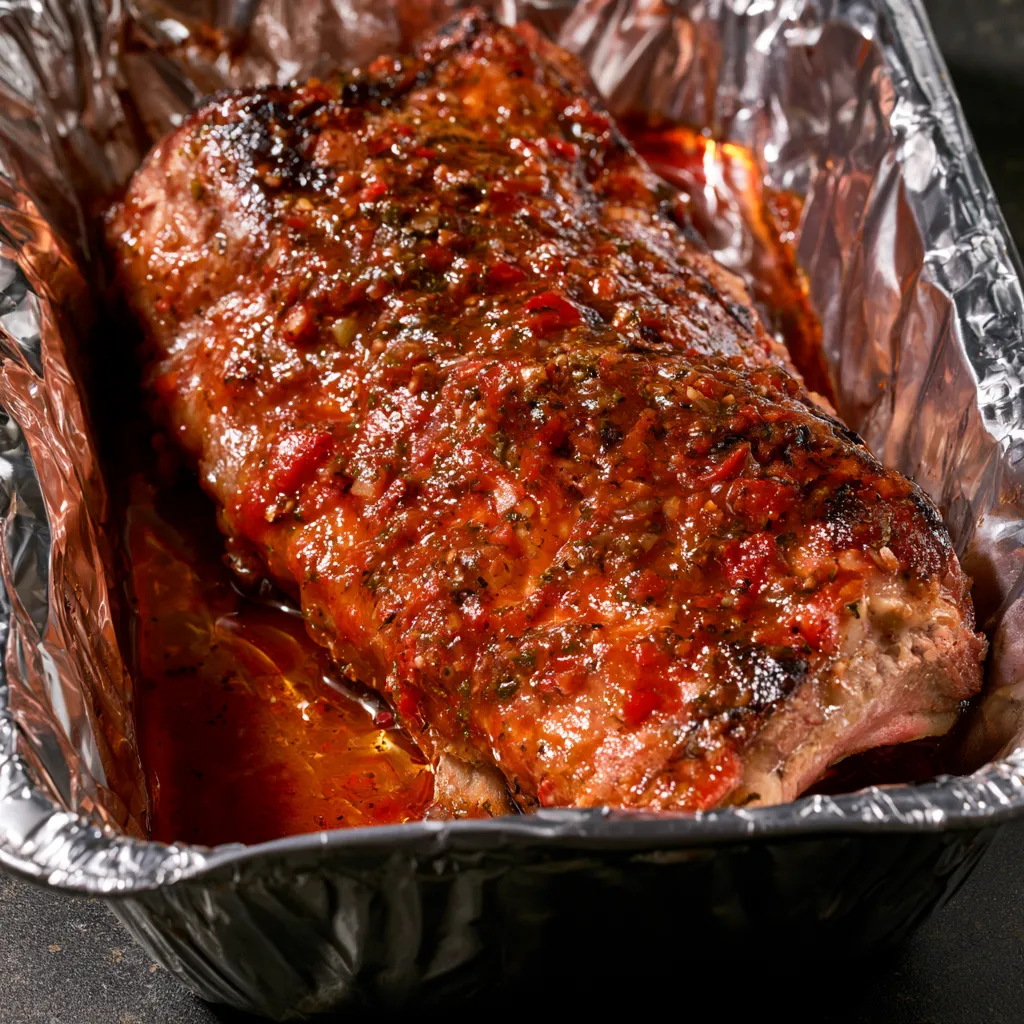
Binder for Ribs Recipe
Ingredients
- 2 –4 tablespoons yellow mustard
- 1 teaspoon apple cider vinegar optional
- 1 teaspoon Worcestershire sauce optional
- 1 rack of pork ribs
- Your favorite dry rub seasoning
- Optional Dry Rub Ingredients
- 2 tablespoons brown sugar
- 1 tablespoon smoked paprika
- 1 tablespoon garlic powder
- 1 tablespoon onion powder
- 1 teaspoon black pepper
- 1 teaspoon salt
- ½ teaspoon chili powder
Equipment
- Mixing bowl (optional)
- Measuring spoons
- Basting brush or spoon
- Paper towels
- BBQ gloves (optional)
- Smoker, grill, or oven for cooking ribs
Method
- Step 1: Prepare the Ribs

- Remove the membrane from the back of the ribs and pat the meat dry using paper towels. Dry ribs allow the binder and seasoning to stick better.
- Step 2: Make the Binder Mixture
- Combine mustard, apple cider vinegar, and Worcestershire sauce in a small bowl. Mix until smooth.
- Step 3: Apply the Binder
- Spread a thin, even layer of the binder over both sides of the ribs. Avoid using too much because the binder is only meant to help seasoning attach.
- Step 4: Add the Dry Rub
- Sprinkle your preferred dry rub generously over the ribs. Press the seasoning gently into the surface so it adheres properly.
- Step 5: Rest the Ribs
- Allow the ribs to rest for 15–30 minutes before cooking. For deeper flavor, refrigerate the seasoned ribs for several hours or overnight.
- Step 6: Cook the Ribs
- Cook the ribs using your preferred method:
- Smoke at low temperature for tender, flavorful ribs.
- Grill for a faster barbecue option.
- Bake slowly in the oven for juicy results.
- Cook until the ribs reach your preferred tenderness.
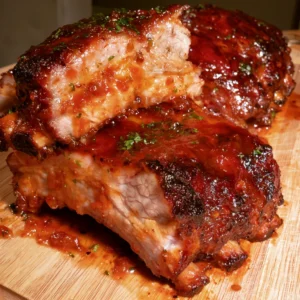
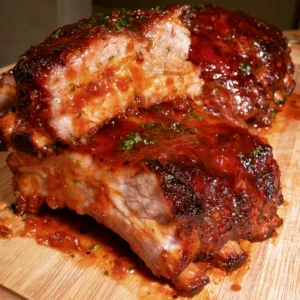
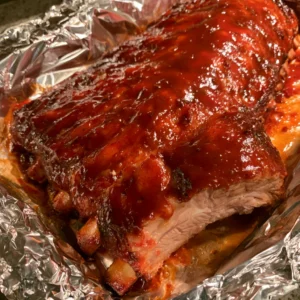
Nutrition
Notes
- A binder is optional; ribs can still be cooked successfully without one.
- Yellow mustard is the most common choice because its flavor becomes mild after cooking.
- Dijon mustard can be used for a stronger, slightly more complex flavor.
- Apply only a thin layer of binder. Too much can make the surface wet and affect bark formation.
- The binder does not tenderize ribs; cooking time and temperature create tenderness.
- Experiment with different binders such as olive oil, hot sauce, or Worcestershire sauce to find your preferred flavor.
- Always pair the binder with a balanced dry rub for the best barbecue results.
Private Notes
Tried this recipe?
Let us know how it was!Table of contents
- What Is a Binder for Ribs Recipe?
- What Is a Binder in Cooking?
- What Is a Binder in Cooking Meat?
- What Does a Binder Do for Ribs?
- Do You Need a Binder for Ribs?
- Example: Two Rib Preparation Methods
- Why Do People Put Mustard on Ribs?
- Why Is Mustard Used as a Binder?
- Mustard Binder for Ribs Recipe
- Can I Use Dijon Mustard as a Binder?
- Best Binder Options for Ribs
- Binder for Ribs Recipe Comparison Table
- How Do You Use a Binder for Ribs?
- What Are Binders in Food?
- What Are Food Binders Used For?
- What Is a Food Binder?
- Breadcrumbs and Other Cooking Binders Explained
- What Can I Use as a Binder Instead of Breadcrumbs?
- What Can Be Used as a Binder in Meatloaf?
- Is Bread Binding?
- Common Mistakes When Using a Binder for Ribs Recipe
- Best Binder for Different Rib Cooking Methods
- Binder Choice Based on Cooking Goal
- Expert Tips for Making Better Ribs
- Frequently Asked Questions About Binder for Ribs Recipe
- Does mustard make ribs taste like mustard?
- Do you need a binder for ribs?
- What is the best binder for smoked ribs?
- Can I use Dijon mustard as a binder?
- What can I use as a binder instead of mustard?
- How much binder should I put on ribs?
- Can I use mayonnaise as a rib binder?
- Does a binder help ribs become more tender?
- Final Thoughts: Choosing the Best Binder for Ribs Recipe
What Is a Binder for Ribs Recipe?
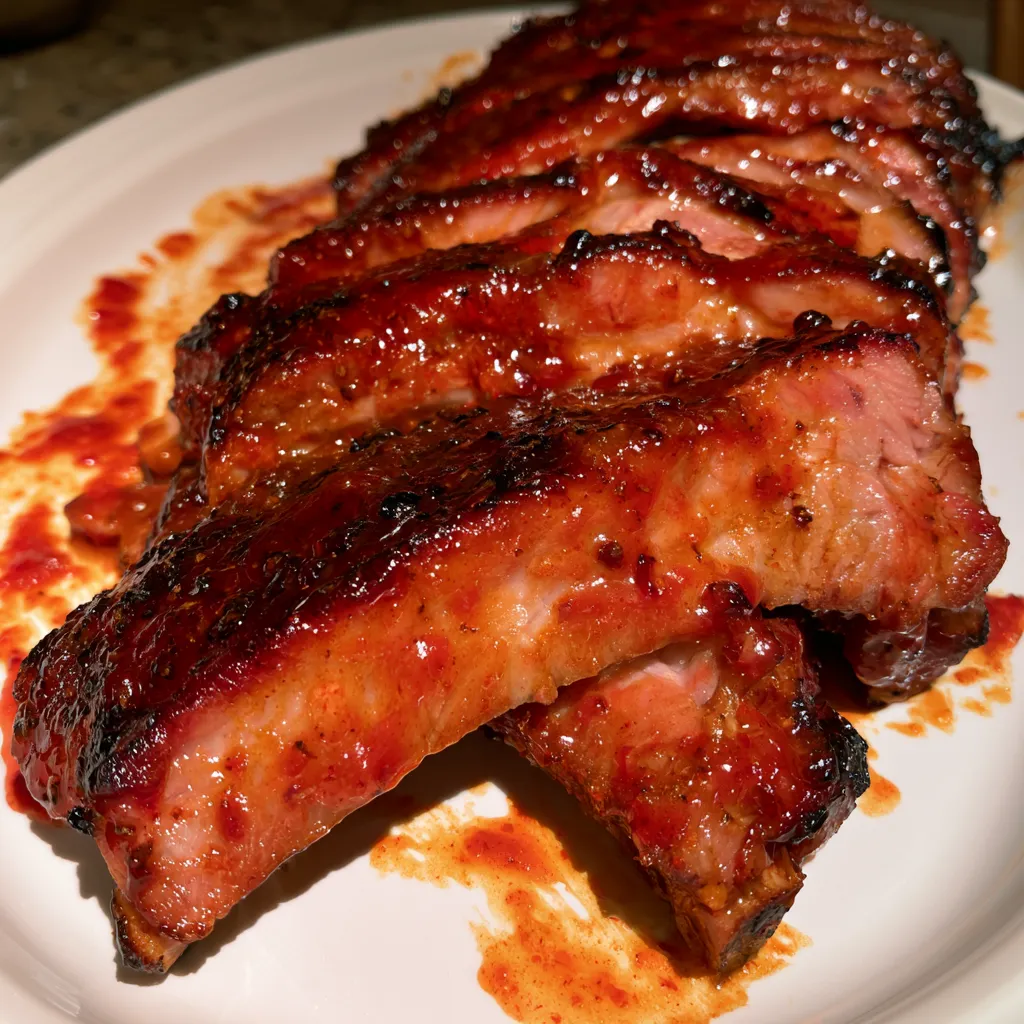
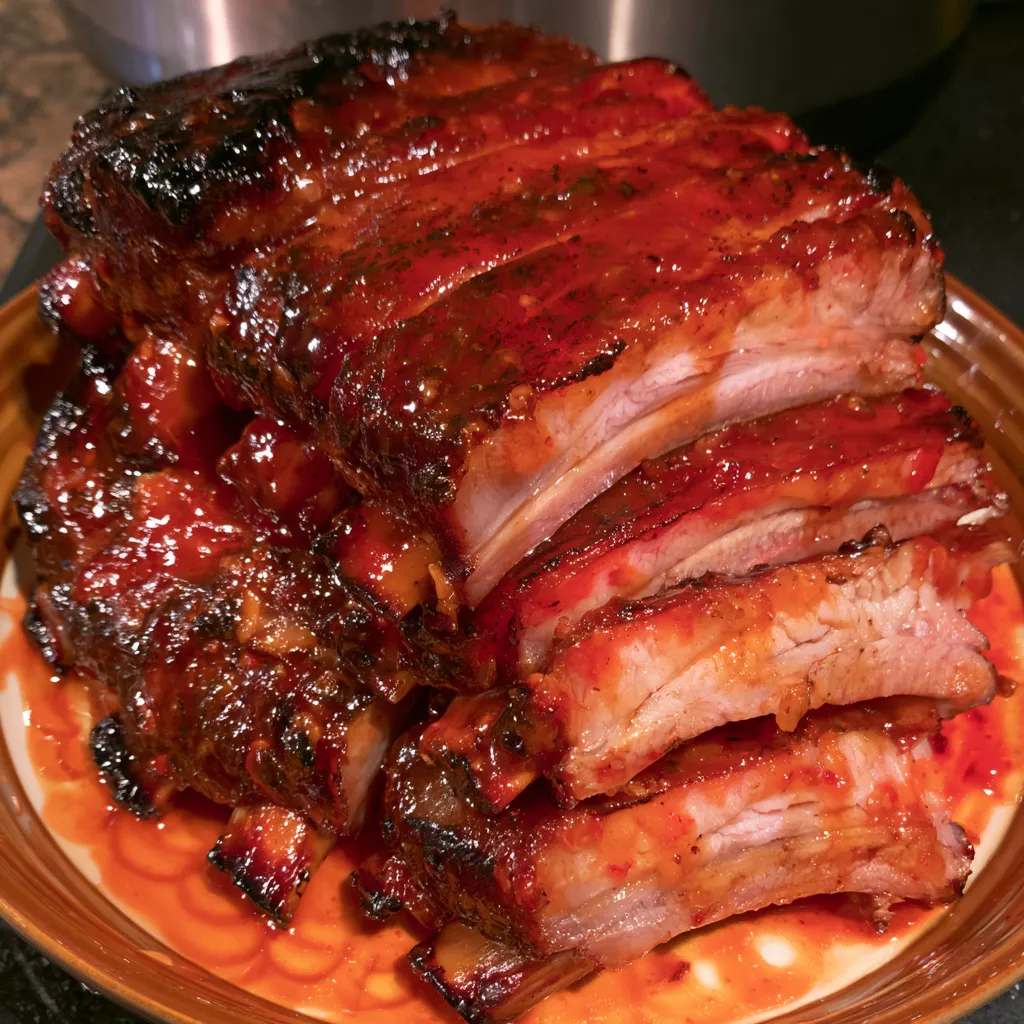
A binder for ribs is when a very thin layer of something moist sits on the rib meat with a rub. This layer is extremely simple: it allows spices to stick to the meat’s surface rather than come off during preparation and cooking.
In barbecue cooking, binders are especially popular because ribs are usually coated with dry rubs containing ingredients such as:
- Paprika
- Brown sugar
- Garlic powder
- Onion powder
- Black pepper
- Chili powder
- Salt
- Herbs and spices
The absence of a binder allows the seasoning to naturally shake loose when the ribs are turned, moved, or exposed to heat. Now, ribs are moist on their own, so a binder helps but is not required.
Unlike a marinade, which penetrates deeply into the meat, a binder does not. Rather, it primarily acts on the exterior layer where seasoning resides.
Think of a rib binder as a “temporary adhesive” that connects your spices to the meat.
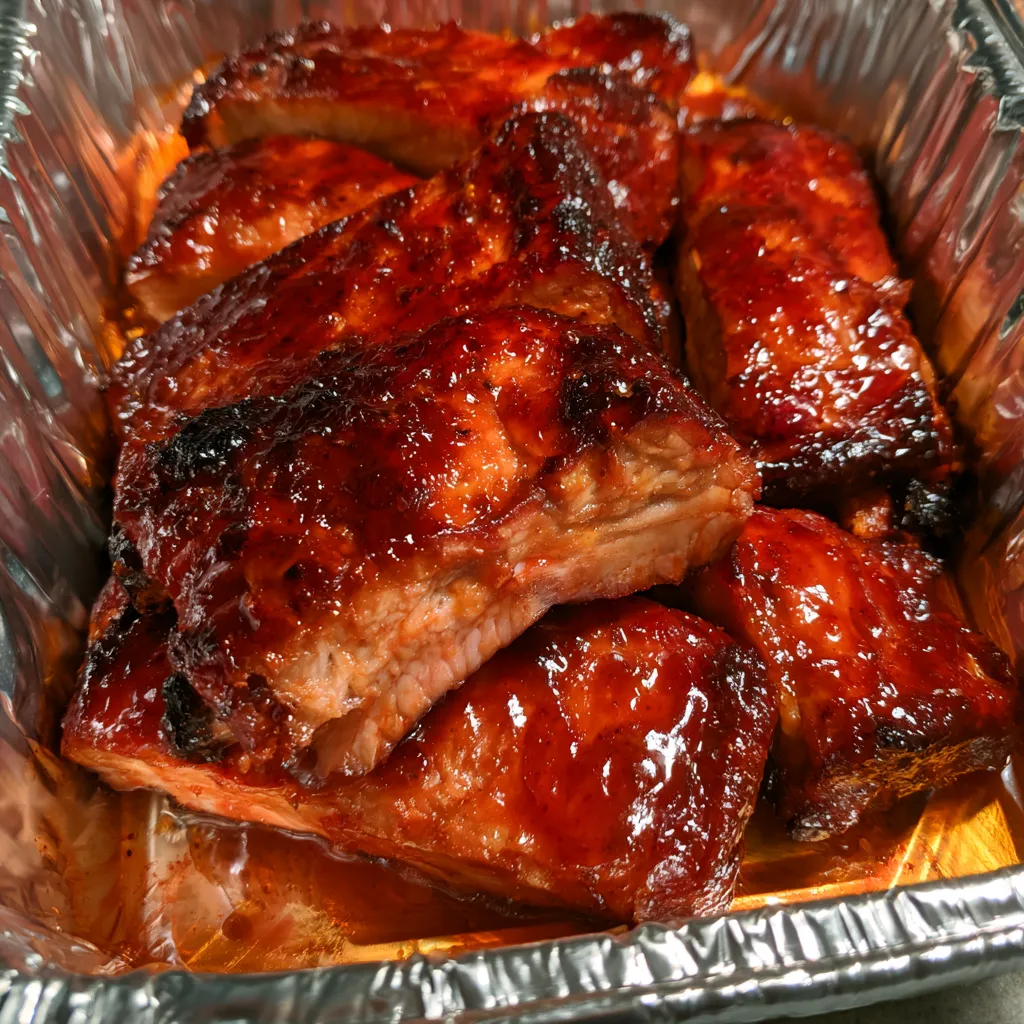
How Does a Rib Binder Work?
A rib binder works by creating a slightly sticky surface between the meat and seasoning.
The process is simple:
| Step | What Happens |
|---|---|
| 1 | Binder is spread over the ribs |
| 2 | Dry rub is applied over the binder |
| 3 | The seasoning sticks more evenly |
| 4 | Heat develops a flavorful crust or bark |
During cooking, most rib binders either disappear, blend into the crust, or become part of the overall flavor profile.
For example, mustard may taste noticeable before cooking, but after several hours of smoking, its sharp flavor becomes much milder.
What Is a Binder in Cooking?
Many people search for “what is a binder in cooking” because the term is used in different ways depending on the recipe.
In general cooking terms, a binder is an ingredient that helps hold other ingredients together or helps ingredients attach to a surface.
The role of a binder changes depending on the type of food being prepared.
For example:
| Food Application | Binder Example | Purpose |
|---|---|---|
| BBQ ribs | Mustard or oil | Helps seasoning stick |
| Meatloaf | Eggs or breadcrumbs | Holds meat mixture together |
| Meatballs | Breadcrumbs and eggs | Creates structure |
| Baking | Eggs or flour | Combines ingredients |
| Sauces | Starches | Thickens and stabilizes |
Therefore, a food binder does not always mean the same thing. A binder for ribs is different from a binder used to hold meatloaf together.
What Is a Binder in Cooking Meat?
When discussing meat preparation, a binder can have two different meanings.
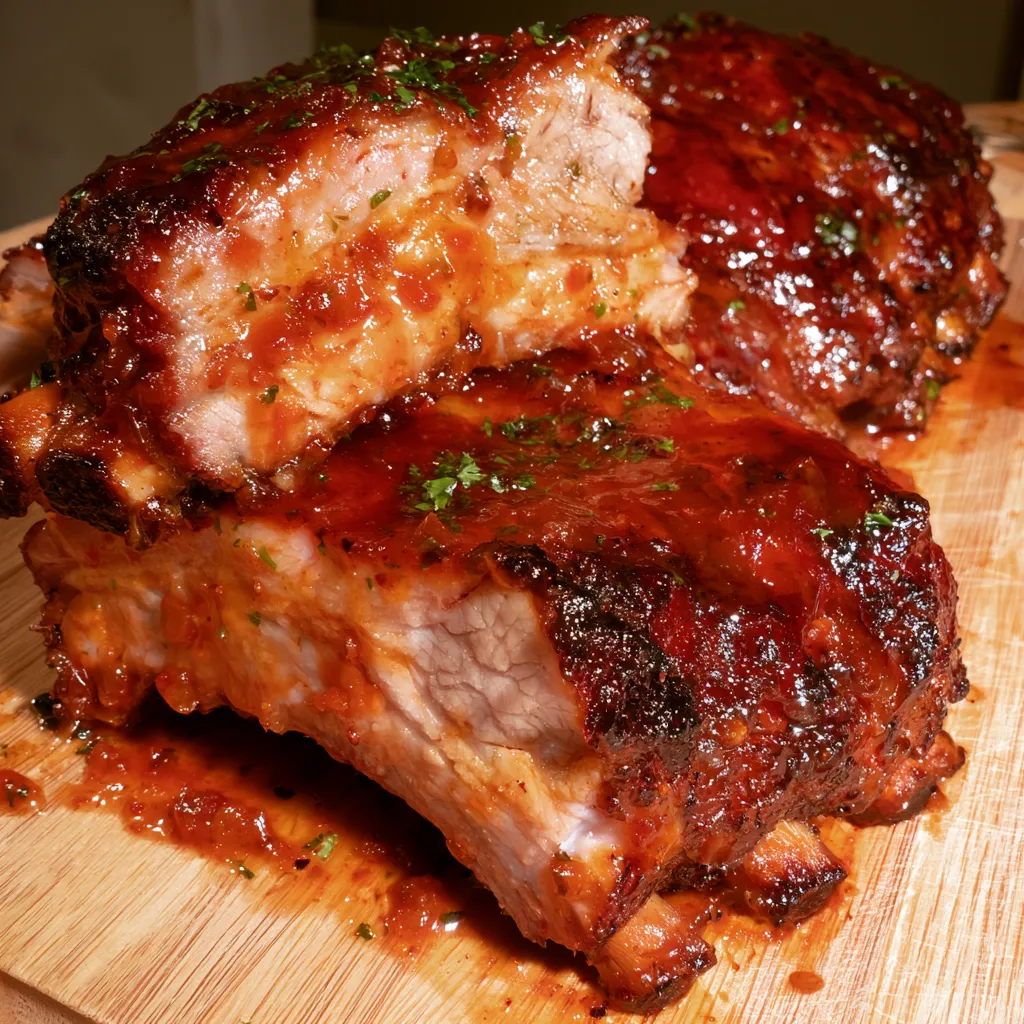
1. Surface Binder
This is commonly used in barbecue.
Examples:
- Mustard
- Oil
- Hot sauce
- Worcestershire sauce
Purpose:
- Helps seasoning attach.
- Improves coverage.
- Supports bark development.
2. Structural Meat Binder
This is used inside recipes such as:
- Meatloaf
- Burgers
- Meatballs
- Sausage
Examples:
- Eggs
- Breadcrumbs
- Oats
- Cracker crumbs
Purpose:
- Holds ingredients together.
- Improves texture.
- Prevents the mixture from breaking apart.
Understanding this difference prevents confusion when someone asks, “What is a meat binder?”
What Does a Binder Do for Ribs?
The main question many barbecue beginners ask is:
What does a binder do when cooking ribs?
A binder provides several practical benefits.
1. Helps Dry Rub Stick Better
The biggest advantage of using a rib binder is improved seasoning coverage.
Dry spices can easily fall away when:
- Moving ribs to the smoker.
- Turning ribs during cooking.
- Applying sauce later.
- Handling the meat.
A thin binder layer creates a surface where seasoning can attach more effectively.
2. Creates More Even Flavor
When seasoning stays evenly distributed, every bite receives a balanced amount of flavor.
This is especially important for large racks of ribs because uneven seasoning can create areas that taste:
- Too salty.
- Too spicy.
- Too bland.
A binder helps create consistency.
3. Supports Better Bark Formation
For smoked ribs, bark is one of the most desirable qualities.
Bark is the flavorful outer crust created through:
- Heat.
- Smoke exposure.
- Seasoning.
- Moisture evaporation.
A binder can help spices remain on the meat long enough for this outer crust to develop.
Do You Need a Binder for Ribs?
The short answer is:
No, you do not need a binder for ribs.
Many experienced barbecue cooks prepare excellent ribs without using any additional binder because the meat naturally contains enough moisture for seasoning to attach.
However, a binder can be useful if you want:
- More consistent seasoning coverage.
- Better dry rub adhesion.
- A stronger-looking bark.
- Easier preparation.
When You May Skip a Binder
You may not need a binder if:
- Your ribs are naturally moist.
- You apply seasoning immediately after preparation.
- You prefer a cleaner meat flavor.
- Your dry rub already sticks well.
When a Binder Helps Most
A binder is especially helpful when:
- Smoking ribs for several hours.
- Using a large amount of dry rub.
- Transporting seasoned ribs before cooking.
- Preparing ribs ahead of time.
Example: Two Rib Preparation Methods
Method 1: No Binder
- Remove rib membrane.
- Pat ribs dry.
- Apply dry rub.
- Cook immediately.
Result:
- Simple preparation.
- Natural pork flavor.
- Slightly less seasoning adhesion.
Method 2: Using a Binder
- Remove membrane.
- Apply a thin layer of mustard.
- Add dry rub.
- Rest ribs.
- Smoke or grill.
Result:
- More even seasoning.
- Stronger crust.
- Consistent flavor.
Both methods can produce excellent ribs. The best choice depends on your personal preference and cooking style.
Why Do People Put Mustard on Ribs?
One of the most common questions in barbecue cooking is:
Why do people put mustard on ribs?
Mustard is one of the most popular options for a binder when using dry rub on your ribs because it creates an ideal thin, sticky surface to which dry rub can adhere and stand out during smoking.
Mustard is very pungent before cooking, but that sharp flavor tames down pretty much after several hours of smoking or grilling.
Many barbecue enthusiasts use yellow mustard because it is:
- Affordable.
- Easy to spread.
- Neutral after cooking.
- Compatible with many spice blends.
- Widely available.
Mustard does not usually make ribs taste like mustard. Instead, it works mainly as a seasoning helper that improves how spices stay attached during cooking.
Why Is Mustard Used as a Binder?
The reason mustard works well as a rib binder is because it contains moisture and natural ingredients that create a slightly tacky surface.
A typical mustard binder provides:
| Benefit | Explanation |
|---|---|
| Better seasoning adhesion | Helps spices stick evenly to ribs |
| Easy application | Spreads quickly across large surfaces |
| Mild flavor impact | Cooking reduces sharp mustard notes |
| Better bark formation | Helps seasoning stay during smoking |
Additionally, mustard contains vinegar, which can slightly complement barbecue flavors. However, it should not be confused with a marinade because it does not deeply tenderize the meat.
Mustard Binder for Ribs Recipe
A simple mustard binder is one of the easiest barbecue techniques for beginners.
Ingredients
| Ingredient | Amount |
|---|---|
| Yellow mustard | 2–4 tablespoons |
| Apple cider vinegar (optional) | 1 teaspoon |
| Worcestershire sauce (optional) | 1 teaspoon |
Instructions
Step 1: Prepare the Ribs
Before applying the binder:
- Remove the membrane from the back of the ribs.
- Trim excess fat if needed.
- Pat the ribs dry with paper towels.
Dry ribs allow the binder and seasoning to attach more effectively.
Step 2: Apply a Thin Mustard Layer
Spread mustard evenly across the surface of the ribs.
The goal is not to create a thick coating.
A good binder layer should look like:
- A light glaze.
- A thin moisture layer.
- Enough to hold seasoning.
Using too much mustard can create unnecessary moisture and may prevent proper bark development.
Step 3: Add Dry Rub
Immediately apply your favorite rib seasoning.
Popular dry rub ingredients include:
- Brown sugar.
- Smoked paprika.
- Garlic powder.
- Onion powder.
- Black pepper.
- Cayenne pepper.
- Salt.
Press the seasoning gently into the meat instead of rubbing aggressively.
Step 4: Rest Before Cooking
Allow the ribs to rest for:
- 15–30 minutes for quick cooking.
- Several hours or overnight for deeper seasoning.
This gives the binder and seasoning time to form a better coating.
Can I Use Dijon Mustard as a Binder?
Yes, you can use Dijon mustard as a binder for ribs.
Many cooks ask:
Can I use Dijon mustard as a binder?
The answer is yes. Dijon mustard performs the same basic function as yellow mustard because it provides moisture and helps seasoning attach.
However, Dijon has a different flavor profile.
| Mustard Type | Flavor | Best Use |
|---|---|---|
| Yellow mustard | Mild and classic | Traditional BBQ ribs |
| Dijon mustard | More complex and tangy | Gourmet-style ribs |
| Spicy brown mustard | Stronger flavor | Bold barbecue recipes |
Dijon works especially well with:
- Garlic-based rubs.
- Herb seasoning.
- Pork recipes.
- European-style barbecue flavors.
Best Binder Options for Ribs
Although mustard is the most recognized option, several other ingredients can work well in a binder for ribs recipe.
Choosing the right binder depends on:
- Cooking method.
- Desired flavor.
- Type of seasoning.
- Personal preference.
1. Mustard Binder
Best overall choice for smoked ribs
Advantages:
- Classic barbecue method.
- Easy to apply.
- Does not overpower seasoning.
- Creates reliable results.
Best for:
- Smoked ribs.
- Competition-style barbecue.
- Pork ribs.
2. Olive Oil Binder
Oil is another simple option for a rib binder.
It works because the oil creates a slightly sticky surface where spices can attach.
Benefits:
- Neutral flavor.
- Works well with grilling.
- Helps prevent seasoning loss.
Recommended oils:
- Olive oil.
- Avocado oil.
- Vegetable oil.
Oil-based binders are especially useful when grilling ribs at higher temperatures.
3. Worcestershire Sauce Binder
Worcestershire sauce is popular among cooks who want additional savory flavor.
It contains ingredients such as:
- Vinegar.
- Molasses.
- Spices.
- Fermented flavors.
Benefits:
- Adds depth.
- Works well with beef and pork.
- Pairs with smoky flavors.
Many cooks combine Worcestershire sauce with mustard for a stronger barbecue profile.
4. Hot Sauce Binder
Hot sauce can be used as a binder when you want extra heat.
Benefits:
- Adds moisture.
- Adds spicy flavor.
- Helps seasoning attach.
Good choices include:
- Louisiana-style hot sauce.
- Cayenne-based sauces.
- Pepper sauces.
Hot sauce works well with spicy rib rubs.
5. Honey Binder
Honey is sometimes used for sweet barbecue recipes.
Benefits:
- Adds sweetness.
- Helps create parallelization.
- Works well with pork.
However, honey should be used carefully because sugar can burn at high temperatures.
It is often better added later during cooking rather than used as the only binder.
6. Apple Juice or Fruit-Based Binders
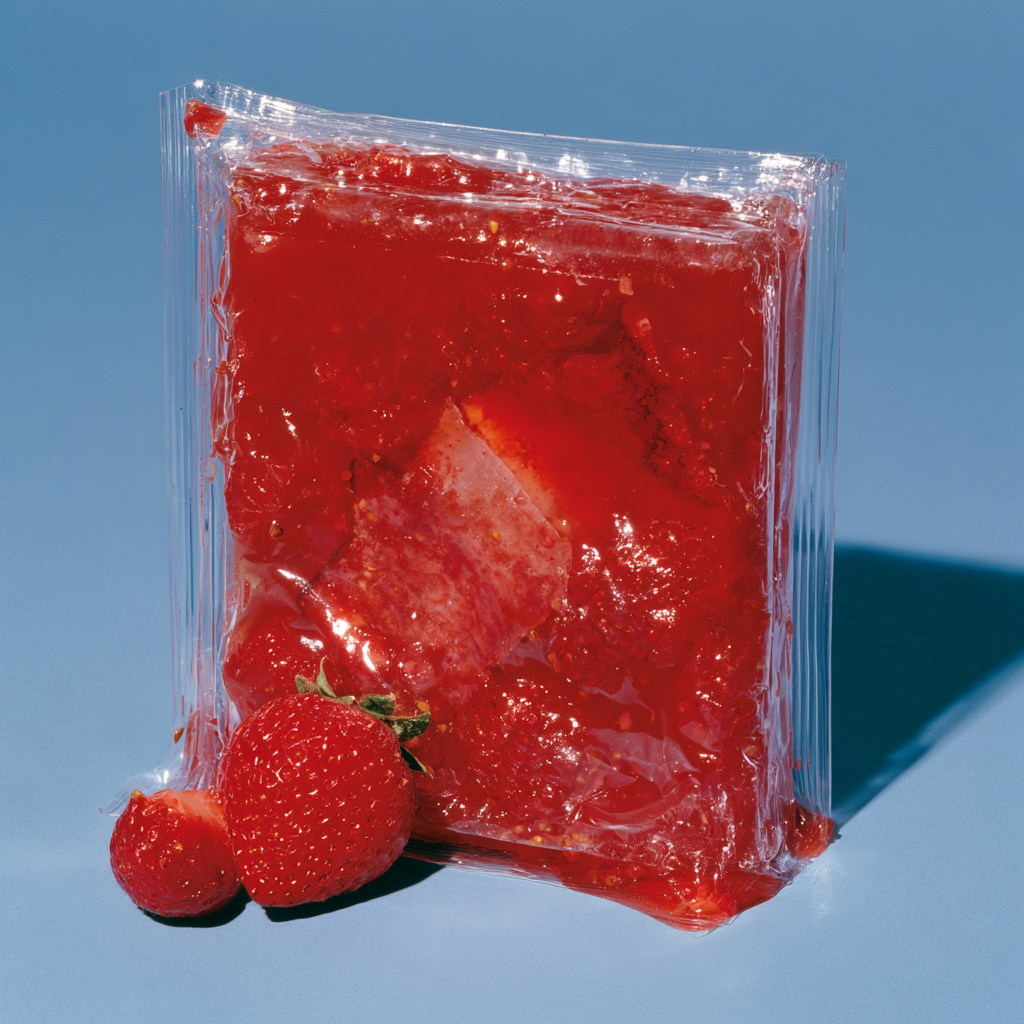
Some barbecue cooks use small amounts of fruit juice.
Examples:
- Apple juice.
- Pineapple juice.
- Orange juice.
These can add moisture and subtle sweetness.
However, they are less common because they are thinner than mustard or oil.
Binder for Ribs Recipe Comparison Table
| Binder | Flavor Impact | Best Cooking Method | Difficulty |
|---|---|---|---|
| Yellow mustard | Mild | Smoking | Easy |
| Dijon mustard | Medium | Smoking or grilling | Easy |
| Olive oil | Very mild | Grilling | Easy |
| Worcestershire sauce | Savory | Smoking | Easy |
| Hot sauce | Spicy | BBQ ribs | Easy |
| Honey | Sweet | Glazed ribs | Medium |
| Apple juice | Slight sweetness | Slow cooking | Easy |
How Do You Use a Binder for Ribs?
Many people search:
“How do you use a binder?”
The process is simple, but proper application matters.
Follow these steps for the best results:
Step 1: Clean and Prepare the Meat
Before adding any binder:
- Remove excess moisture.
- Remove the membrane.
- Prepare the ribs evenly.
A clean surface allows better contact between the binder and seasoning.
Step 2: Apply a Small Amount of Binder
The biggest mistake beginners make is using too much.
A binder should:
- Coat the surface.
- Hold seasoning.
- Not create a thick layer.
The ribs should not look covered in sauce.
Step 3: Add Your Seasoning
Apply dry rub immediately after the binder.
Popular combinations:
| Binder | Dry Rub Pairing |
|---|---|
| Mustard | Sweet BBQ rub |
| Olive oil | Herb seasoning |
| Hot sauce | Spicy rub |
| Worcestershire | Smoky rub |
Step 4: Allow Time Before Cooking
Resting helps:
- Seasoning attach.
- Flavors combine.
- Surface moisture balance.
For best results:
- Minimum: 15 minutes.
- Ideal: Several hours.
What Are Binders in Food?
The term food binder refers to ingredients that help hold food components together.
Unlike a rib binder, many food binders are used for structure rather than seasoning.
Examples include:
What Are Food Binders Used For?
Food binders are important because they improve:
- Texture.
- Stability.
- Moisture control.
- Shape retention.
For example:
A meatball without a binder may fall apart during cooking. A meatball with eggs and breadcrumbs maintains its structure.
Common Food Binder Examples
| Food | Common Binder |
|---|---|
| Meatloaf | Eggs, breadcrumbs |
| Meatballs | Eggs, breadcrumbs |
| Cakes | Eggs, flour |
| Sauces | Cornstarch |
| Custards | Eggs |
What Is a Food Binder?
A food binder is an ingredient that connects other ingredients together.
The term can describe both:
- A cooking ingredient that holds food together.
- A surface ingredient that helps attach seasoning.
Therefore, the meaning depends on the recipe.
Breadcrumbs and Other Cooking Binders Explained
When they type in “e; what are binder foods”e; or “e; what is a binder food:”, the first question that pops into their head often revolves around ingredients that hold recipes together.
The purpose of a binder for ribs recipe is the same as any other food binder that works inside recipes to provide structure, though it’s also an aid for getting seasoning on the outside surface of meat.
Breadcrumbs are the thing here; we use them in meatloaf or meatballs due to their nature of absorbing moisture and giving us stability for our texture.
It helps you identify how to select the right ingredient when using them and know what a barbecue binder vs. a structural food binder is.
Are Breadcrumbs a Binder?
Yes, breadcrumbs are a binder.
Breadcrumbs are one of the most common binding ingredients used in cooking. They work by absorbing moisture from other ingredients and helping create a stronger structure.
Breadcrumbs are commonly used in:
- Meatloaf.
- Meatballs.
- Stuffed vegetables.
- Crab cakes.
- Vegetable patties.
However, breadcrumbs are not normally used as a rib binder because their purpose is different.
A rib binder helps spices stick to meat.
Breadcrumbs help ingredients stick together internally.
How Do Breadcrumbs Work as a Binder?
Breadcrumbs work through moisture absorption.
The process:
- Liquid is added to breadcrumbs.
- Breadcrumbs absorb the moisture.
- The mixture becomes thicker.
- Ingredients stay connected during cooking.
For example, in meatloaf, breadcrumbs absorb juices released from meat while cooking. This helps prevent the final product from becoming too loose or falling apart.
What Can I Use as a Binder Instead of Breadcrumbs?
Many people search:
“What can I use as a binder instead of breadcrumbs?”
Fortunately, several alternatives work well depending on the recipe.
Breadcrumb Substitute Options
| Alternative | Best For | Benefits |
|---|---|---|
| Rolled oats | Meatloaf | Adds texture and absorbs moisture |
| Crushed crackers | Meatballs | Similar texture to breadcrumbs |
| Cooked rice | Meat dishes | Provides structure |
| Almond flour | Low-carb recipes | Gluten-free option |
| Mashed potatoes | Patties | Adds moisture and binding |
| Ground flaxseed | Healthy recipes | Natural thickening ability |
What Can Be Used as a Binder in Meatloaf?
Meatloaf requires a binder because ground meat alone can become loose and difficult to slice.
Common meatloaf binders include:
- Eggs.
- Breadcrumbs.
- Crackers.
- Oatmeal.
- Bread soaked in milk.
A traditional meatloaf binder combination often includes:
- Ground meat.
- Eggs.
- Breadcrumbs.
- Milk.
- Seasonings.
This creates a moist texture while maintaining structure.
Is Bread Binding?
Yes, bread can act as a binder.
Bread becomes a binder when combined with liquid because it absorbs moisture and creates a connection between ingredients.
A common example is:
parade
A parade is a mixture of bread and liquid, usually milk or cream, used in recipes like meatballs.
Benefits of a bread binder:
- Creates tenderness.
- Holds moisture.
- Improves texture.
However, plain dry bread without moisture does not work as effectively as a binder.
Common Mistakes When Using a Binder for Ribs Recipe
Although using a rib binder is simple, mistakes can affect the final result.
Avoid these common problems to achieve better barbecue results.
Mistake 1: Using Too Much Binder
A common beginner mistake is applying a thick layer of mustard, oil, or sauce.
A binder should be:
- Thin.
- Even.
- Almost invisible under the seasoning.
Too much binder can:
- Make ribs wet.
- Reduce bark formation.
- Dilute seasoning flavor.
The goal is adhesion, not coating.
Mistake 2: Choosing a Strong Binder That Overpowers Flavor
A binder should support the recipe, not dominate it.
For example:
- Strong hot sauces may overpower mild rubs.
- Excess Worcestershire sauce may create too much salty flavor.
- Sweet binders may burn during high heat cooking.
A balanced approach creates better results.
Mistake 3: Applying Binder to Wet Ribs
Moisture management is important.
If ribs are already wet:
- Binder may slide off.
- Seasoning may become uneven.
- Bark development may suffer.
Always pat ribs dry before applying a binder.
Mistake 4: Adding Dry Rub Too Late
The binder works best when seasoning is applied immediately afterward.
The correct order:
- Prepare ribs.
- Apply binder.
- Add seasoning.
- Rest.
- Cook.
This creates better contact between the meat and spices.
Mistake 5: Believing Binder Creates Tender Meat
A binder does not usually tenderize ribs.
Tender ribs come from:
- Cooking temperature.
- Cooking time.
- Moisture control.
- Meat quality.
A binder mainly improves:
- Seasoning attachment.
- Outer crust.
- Flavor distribution.
Best Binder for Different Rib Cooking Methods
Different cooking methods may benefit from different binders.
Smoked Ribs
Smoking requires a binder that supports long cooking times.
Recommended options:
- Yellow mustard.
- Dijon mustard.
- Worcestershire sauce.
- Hot sauce.
Why?
Because these binders help dry rub remain attached during several hours of smoke exposure.
Grilled Ribs
Grilling uses higher heat, so simple binders often work best.
Recommended:
- Olive oil.
- Mustard.
- Light sauces.
Oil works especially well because it helps spices attach while supporting grilling temperatures.
Oven-Baked Ribs
For oven ribs, popular options include:
- Mustard.
- Oil.
- Worcestershire sauce.
Since oven cooking usually involves shorter times compared with smoking, a simple binder is often enough.
Binder Choice Based on Cooking Goal
| Goal | Recommended Binder |
|---|---|
| Classic BBQ flavor | Yellow mustard |
| Spicy ribs | Hot sauce |
| Sweet ribs | Light honey mixture |
| Grilled ribs | Olive oil |
| Gourmet flavor | Dijon mustard |
| Smoky flavor | Worcestershire sauce |
Expert Tips for Making Better Ribs
Follow these practical tips for a more successful barbecue experience.
Tip 1: Always Remove the Rib Membrane
The membrane on the back of ribs can become chewy.
Removing it helps:
- Seasoning reach the meat.
- Texture improve.
- Cooking become more consistent.
Tip 2: Use a Balanced Dry Rub
A good rib rub usually includes:
- Salt for seasoning.
- Sugar for parallelization.
- Paprika for color.
- Garlic and onion for depth.
- Pepper for heat.
Tip 3: Apply a Thin Binder Layer
More binder does not mean better results.
A thin layer is enough.
Tip 4: Allow Seasoning Time
Resting allows flavors to develop.
A longer resting period can improve:
- Flavor absorption.
- Seasoning consistency.
- Final crust.
Tip 5: Cook Slowly
Low-and-slow cooking is a popular method for ribs.
Benefits:
- Better tenderness.
- Improved texture.
- More developed flavor.
Frequently Asked Questions About Binder for Ribs Recipe
Does mustard make ribs taste like mustard?
No.
During cooking, mustard flavor becomes much milder. It mainly helps seasoning attach to the meat.
Do you need a binder for ribs?
No.
A binder is optional. Many cooks use one for better seasoning coverage, but ribs can be cooked successfully without one.
What is the best binder for smoked ribs?
Yellow mustard is one of the most popular choices because it is affordable, easy to use, and has minimal flavor impact.
Can I use Dijon mustard as a binder?
Yes.
Dijon mustard works well as a binder and provides a slightly stronger flavor compared with yellow mustard.
What can I use as a binder instead of mustard?
Good alternatives include:
- Olive oil.
- Worcestershire sauce.
- Hot sauce.
- Light barbecue sauce.
- Apple juice.
How much binder should I put on ribs?
Use enough to lightly coat the surface.
The ribs should appear slightly moist but not covered in a thick layer.
Can I use mayonnaise as a rib binder?
Yes, mayonnaise can work because it contains oil and moisture.
However, it is less common because it may add unnecessary richness compared with mustard or oil.
Does a binder help ribs become more tender?
No.
A binder mainly helps seasoning stick. Tenderness comes from proper cooking technique.
Final Thoughts: Choosing the Best Binder for Ribs Recipe
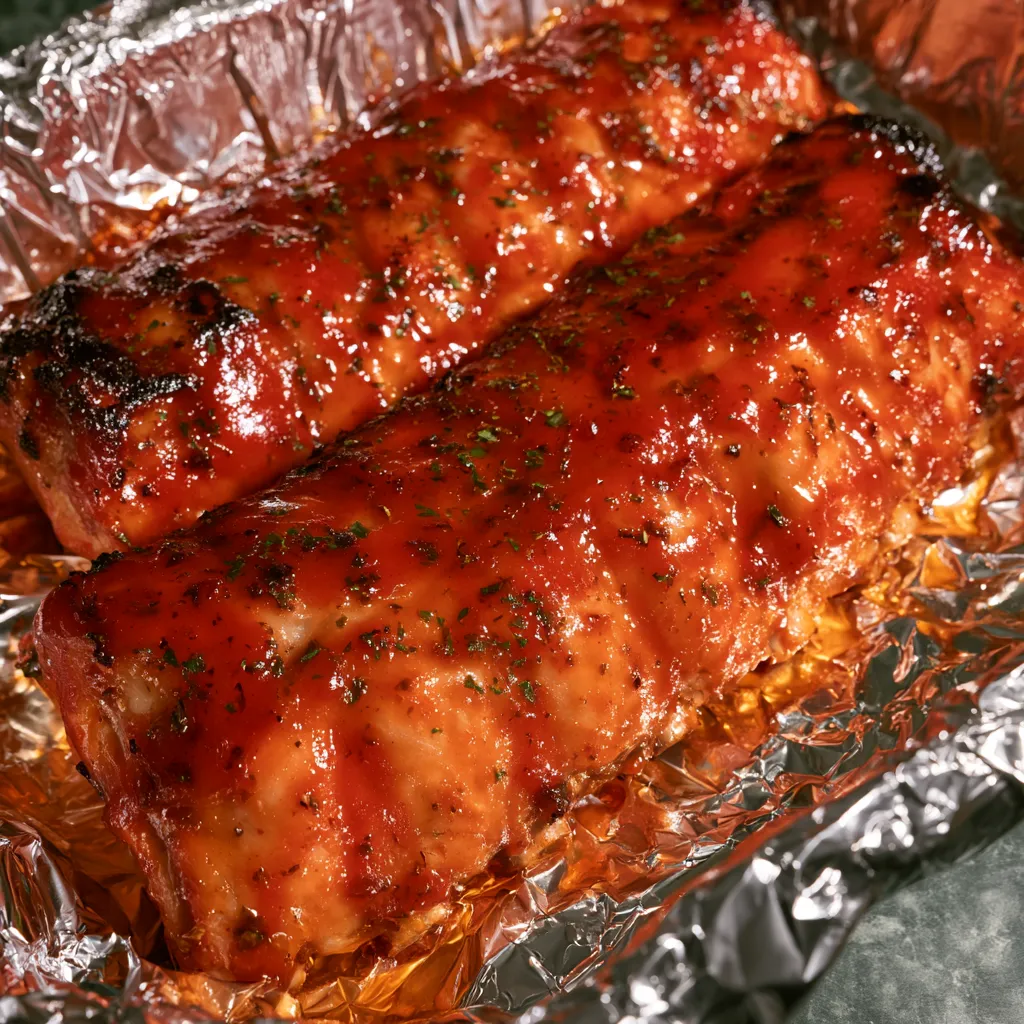
Binder for Ribs Recipe is an easy but useful barbecue method to aid seasoning coverage and achieve a more even crust. Even though you don’t need a binder, many cooks use things like mustard, oil, or Worcestershire sauce because they help the dry rub apply easily and stick better.
The biggest takeaway is that a binder should aid, not mask, the ribs. A thin layer will generally suffice for holding seasoning in place whilst allowing the natural flavor of both meat and spice to come through.
Yellow mustard still sits as one of the easiest and most consistent beginner options. That said, play around with Dijon mustard, olive oil hot sauce, or something else to figure out the flavor profile that suits your particular style of cooking.
If you rub ribs on the grill, smoke them, or bake them, knowing how a binder for ribs recipe works just gives you another method that can help pack more flavor and seasoning into barbecue ribs.