

Extreme dieting, skipping meals, or following short-term fads are not the keys to permanent Weight Loss Recipes. It is developing a way of life that supports you and creates healthy food choices in the diet for balanced nutrition.
Your everyday food carries the greatest weight in determining whether your body shops or burns fat. By selecting the proper meals, you will be able to naturally eat fewer calories effortlessly whilst improving digestive health and promoting long-term fat loss without feeling deprived.
That is the point of weight loss recipes — they enable you to realize this balance. They emphasize low-calorie ingredients with nutrition that keeps you full, energized, and satisfied all day long!
Table of contents
- What Are Weight Loss Recipes?
- The Science of Weight Loss (Calorie Deficit)
- Why Weight Loss Recipes Work
- Breakfast Recipes for Weight Loss
- Lunch Recipes for Weight Loss
- Dinner Recipes for Weight Loss
- Drinks for Weight Loss
- Snacks for Weight Loss
- Core Principles of Weight Loss
- Common Mistakes to Avoid
- How This Guide Is Structured
- Conclusion
What Are Weight Loss Recipes?
Weight Loss recipes are specially prepared meals to help your body lose fat by providing it with crucial nutrients and energy.
These recipes are not about eating less food, but rather cooking smarter choices that control calories without starvation.
They usually focus on:
- Low-calorie ingredients that reduce overall energy intake
- High-protein foods that increase fullness and support muscle maintenance
- High-fiber foods that improve digestion and reduce hunger
- Balanced nutrition to keep the body healthy and energized
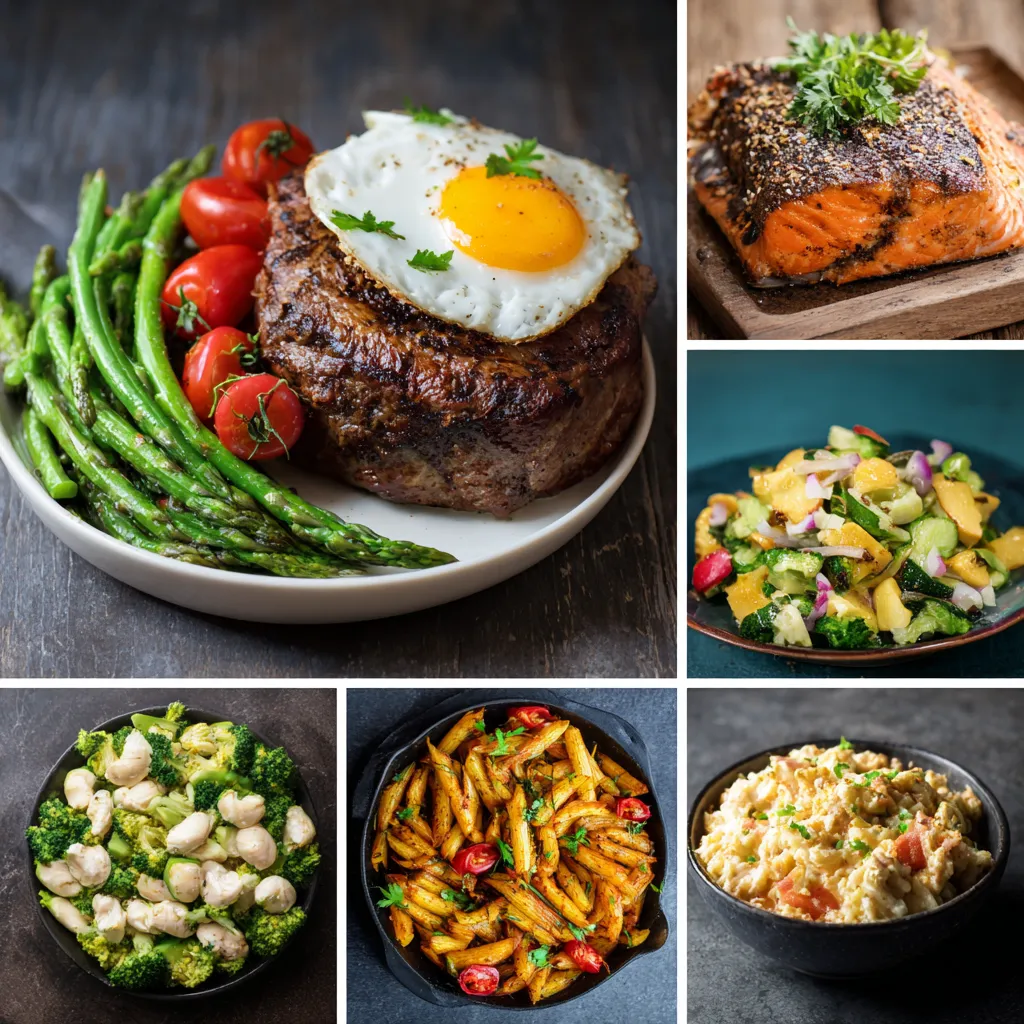
The main goal of weight loss recipes is to help you stay in a calorie deficit without feeling hungry or restricted, making weight loss easier and more sustainable over time.
The Science of Weight Loss (Calorie Deficit)
Principally, weight loss is based on a simple scientific principle known as a calorie deficit. So you are in a calorie deficit when more calories are burned than are consumed with food and drink.
If you continually eat fewer calories than your body needs in any given day, it will begin to use stored fat for energy. But it is eventually weight loss through fat burn.
Calorie Deficit=Calories In−Calories Out<0
In simple terms:
- If you eat more calories than you burn → you gain weight
- If you eat fewer calories than you burn → you lose weight
Weight loss recipes are designed to make this process easier by providing meals that are filling, nutritious, and low in calories, so you can maintain a calorie deficit without feeling hungry or deprived.
Why Weight Loss Recipes Work
They are formulated to help you reduce your calorie intake while being fully satisfied and having the energy.
These recipes are not high-calorie (as you would expect); they include ingredients that promote fat loss, therefore stopping us from overeating automatically rather than forcing us to.
They work because they:
- Increase satiety, helping you feel full for longer
- Reduce cravings and unnecessary snacking
- Help control calorie intake without strict dieting
- Improve metabolism through balanced nutrition
- Support consistent and sustainable eating habits
By making healthier food choices easier and more enjoyable, weight loss recipes help you stay in a calorie deficit without feeling restricted, which is the key to long-term fat loss success.
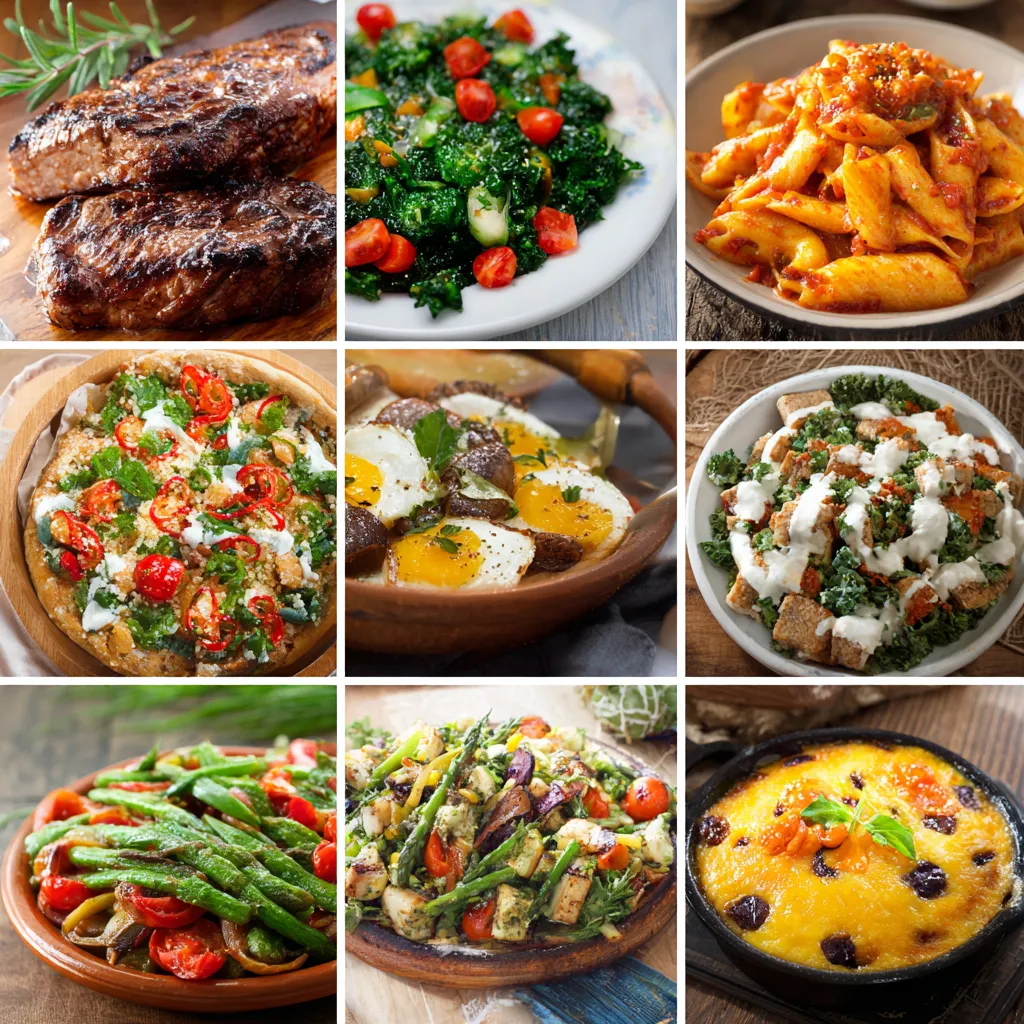
Breakfast Recipes for Weight Loss
Lunch Recipes for Weight Loss
- Chicken salad
- Brown rice meals
- Quinoa bowls
- Lentil soup
Dinner Recipes for Weight Loss
- Vegetable soup
- Grilled fish
- Light protein meals
- Omelets
- Chicken salad
Drinks for Weight Loss
- Green tea
- Lemon water
- Detox drinks
- Black coffee
Snacks for Weight Loss
- Nuts
- Fruits
- Yogurt
- Boiled eggs
Core Principles of Weight Loss
- Calorie deficit
- Protein intake
- Fiber foods
- Hydration
- Consistency
Common Mistakes to Avoid
- Skipping meals
- Crash diets
- Processed “diet” foods
- Low protein intake
How This Guide Is Structured
They are designed to satisfy you and nourish your body with energy while cutting calories.
These recipes aren’t high in calories (as you’d expect, but OBVIOUSLY), but they have ingredients that support fat loss, therefore preventing us from overeating automatically, as opposed to trying endlessly.
The structure includes:
- Breakfast → Helps start your day with energy and control hunger
- Lunch → Provides balanced nutrition for sustained energy
- Dinner → Light meals that support digestion and fat burning
- Drinks → Metabolism-friendly beverages that support hydration
- Snacks → Healthy options to control cravings between meals
Each section is connected and works together as a complete system. By following this structure, you can build a consistent routine that supports long-term weight loss without complicated rules or extreme diets.
Conclusion
Final Motivation
The key to weight loss is not doing perfectly; it is simply being consistent. A little bit each day, healthier lifestyle choices will ALWAYS be greater than a diet that you cannot stick to for the long run.
Focus on progress, not perfection. Even those more basic adjustments eating healthy meals and controlling portions, for instance can lead to measurable long-term effects.
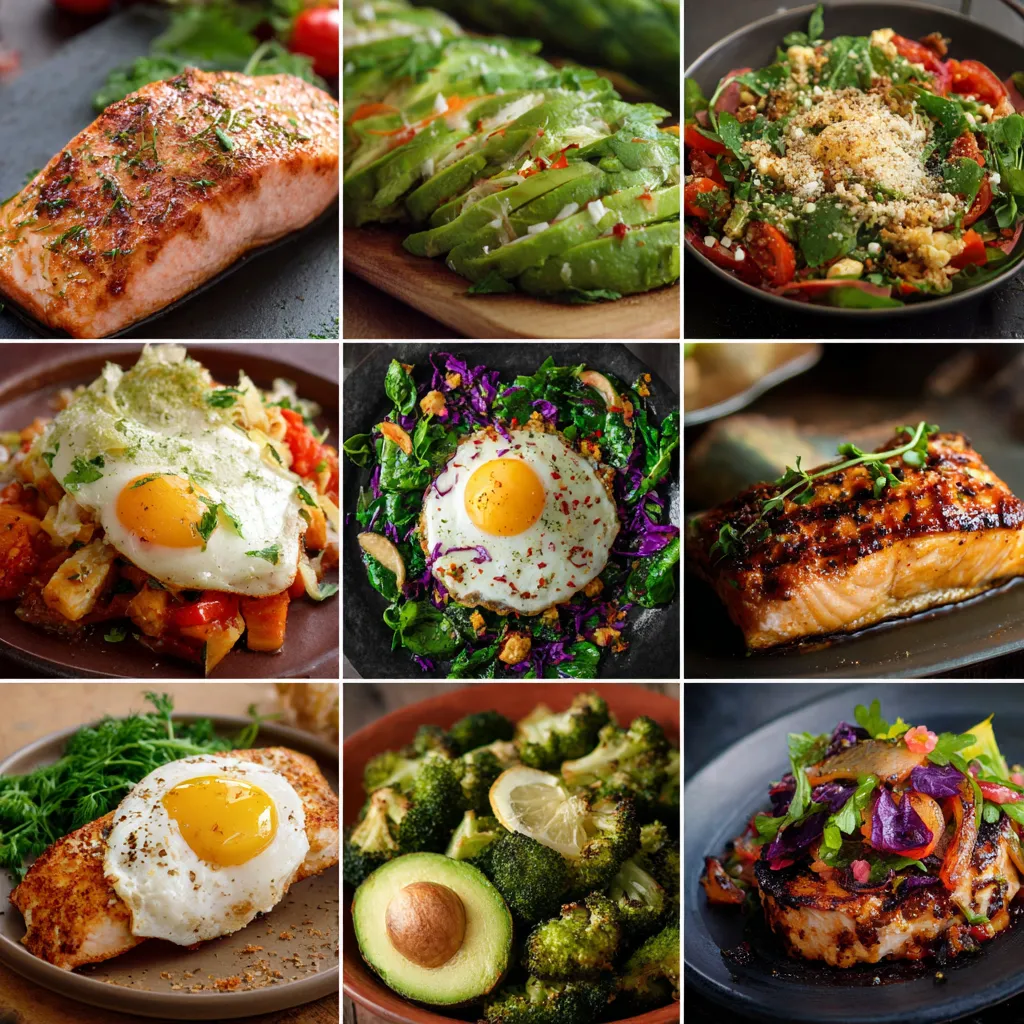
Sustainable Lifestyle Message
Actual, permanent weight loss success comes from establishing a lifestyle that you can support for several years– not weeks. You are not a quick fix, but rather balance and flexibility instead of healthy habits.
Healthy eating should happen naturally, not as a struggle, if you learn to enjoy good food and listen to your body. This is how CHANGE REALLY HAPPENS.