

Table of contents
- RECIPE
- What Is a Homemade Brawn Recipe?
- The History and Cultural Significance of Homemade Brawn
- Benefits of Making a Homemade Brawn Recipe at Home
- Essential Ingredients for a Homemade Brawn Recipe
- Equipment Needed for a Homemade Brawn Recipe
- How to Choose the Best Pork for a Homemade Brawn Recipe
- Homemade Brawn Recipe: Step-by-Step Guide
- Health Benefits of Homemade Brawn Recipe
- Conclusion
- Share Your Twist!
- Explore more recipes
Homemade Brawn Recipe is a traditional meat preparation that uses humble pieces of pork to create an umami-rich jelly. Brawn, a traditional meat dish made from a pig’s head, trotters, and other collagen-rich parts, represents the nose-to-tail ethos of cooking with little waste. The long, slow simmer draws out the natural gelatin in meat to form a firm cut that can be sliced or diced and leaves you satisfied, but also allows your imagination free range. Making brawn at home delivers the authentic flavours of this centuries-old recipe but with a personal touch to fulfill your own taste.
A homemade brawn recipe is one of the most beautiful ways to show simplicity and authenticity in your cooking. In contrast to store-bought or even processed varieties, making your own brawn allows you total control over the ingredients and seasonings, along with texture. You have control over the pork selection (fresh, high-quality meat) as well as natural herbs and spices according to your preference, without artificial additives or preservatives. Not only does this boost flavor, but it also gives the cook a means to preserve an all-but-lost culinary practice.
More than just taste and control, the DIY brawn recipe also connects you to your roots. For instance, brawn has been made for generations all over Europe and beyond as a means of using every last part of the slaughtered animal. Today, it is still considered a dish of conviviality to serve on party days, as cold hors d’oeuvres or hot meals. By making brawn at home, cooks can continue this centuries-old tradition while enjoying a dish that is wholesome and high in protein yet firmly rooted in both culinary technique and history.
RECIPE

Homemade Brawn Recipe – Traditional Pork Jelly
Ingredients
- 1 small pig’s head 1.5–2 kg
- 2 –4 pork trotters
- 2 pork ears
- 500 g pork cheeks
- 250 –500 g pork skin optional
- 4 –5 liters water
- 2 medium onions halved
- 4 garlic cloves crushed
- 3 bay leaves
- 1 tablespoon black peppercorns
- 1 –2 tablespoons salt or to taste
- 2 tablespoons fresh parsley optional
- 2 –3 sprigs fresh thyme optional
- 4 –6 juniper berries optional
- 2 –3 whole cloves optional
- ¼ teaspoon nutmeg optional
- Mustard for serving
- Pickles for serving
- Crusty bread for serving
Equipment
- Fine-mesh sieve or strainer
- Sharp knife
- Cutting board
- Loaf pan, terrine, or mold
- Large mixing bowl
- Wooden spoon or spatula
- Measuring spoons
- Refrigerator
Method
- Rinse all pork cuts thoroughly under cold water.

- Place the pork in a large stockpot and cover with water.
- Add onions, garlic, bay leaves, peppercorns, salt, and optional herbs.
- Bring to a boil, then reduce heat and simmer gently for 4–5 hours.

- Skim off any foam or impurities during cooking.
- Remove the meat from the broth and allow it to cool slightly.
- Strain the broth through a fine-mesh sieve.
- Remove bones, cartilage, and excess fat from the meat.
- Chop the meat into small, even pieces.
- Place the chopped meat into a loaf pan or mold.
- Pour the strained broth over the meat until fully covered.
- Press gently to remove air pockets.
- Let cool at room temperature for 30–60 minutes.
- Refrigerate for 6–12 hours, or until fully set.
- Slice and serve cold with mustard, pickles, and crusty bread


Nutrition
Notes
- Use collagen-rich cuts for the best natural gelatin.
- Avoid rapid boiling, which can make the broth cloudy.
- Taste and adjust seasoning before pouring the broth into the mold.
- For a firmer texture, include extra pork skin or trotters.For the best homemade brawn recipe, simmer the pork slowly and allow the brawn to chill overnight. This helps develop rich flavor and ensures a firm, perfectly set texture.
Private Notes
Tried this recipe?
Let us know how it was!What Is a Homemade Brawn Recipe?
Homemade brawn recipe: a traditional meat dish prepared by boiling pork cuts high in collagen content, like pig’s head, pork hocks, trotters, ears, and skin. It cooks for hours as the collagen decomposes into gelatin and creates a rich broth, which then gelifies in the fridge. When cool, the cooked meat is combined with a thick stock and packed into a mold to produce what becomes a sliceable meat jelly that is nutrient-dense and fulfilling.
The background of the homemade brawn recipe is centuries old, where families were looking for useful ways to use all edible pieces from an animal. Long before refrigerators existed, crafty cooks had to make use of all of the available meat. Brawn was a dish that turned cheap cuts into something filling and could be kept for several days, so it became commonplace in many rural communities. This old-school preparation is still in vogue among home cooks who value authentic, nose-to-tail approaches to cooking.
A nicely prepared brawn recipe gives a personal interpretation of the blend of texture and flavor. Juicy, fork-tender meat pairs and contrasts perfectly with the soft jelly, bouncing back from each other along with fragrant seasoning components that provide an extremely abundant character. Be it a cold starter, sandwich stuffing, or else included in boards filled to the brim with charcuterie, homemade brawn delivers this rustic part of cooking and food preservation skills gathered for generations.

The History and Cultural Significance of Homemade Brawn
Learn more about the story behind this homemade brawn recipe in Medieval Europe. Farmers’ families depended on livestock for food. The key takeaway of the brawn story is that all parts of a slaughtered animal had value, hence recipes were made to maximize what cooked resources were available. Pork was especially favored because the cuts that come from high-collagen areas result in natural gelatin as they cook, an ideal medium for keeping cooked meat firm enough to slice.
The recipe for meat jelly that was made at home had local variations all over Europe. Brawn was served with mustard and country bread in England. The preparations included sülze in Germany (where vinegar and vegetables are also used). Fromage de tête was to be created by French cooks, while Eastern European counterparts fashioned it from garlic, pepper, and their favourite spices. Variations to ingredients aside, the fundamental technique of slow cooking and setting meat inside gelatin did not change.
Ever since, the recipe for homemade brawn has remained culturally significant in many neighbourhoods around the globe. Usually made for holidays, family gatherings, and seasonal festivities. More interest in traditional cooking, sustainable food, and artisanal cuisine has also led to a bit of a rebirth for homemade brawn. Modern cooks frequently view it as a means of connecting with their cooking roots while preparing an uncomplicated yet appetizing meal from basic components.
Benefits of Making a Homemade Brawn Recipe at Home
One of the most significant pros to making your own brawn recipe is that you have full control over ingredient quality. Additionally, meat products manufactured on an industrial scale commonly include preservatives and artificial flavorings as well as stabilizers. When producing brawn in the home, you could choose clean pork with your own chosen features and adjust seasoning ranges too, whilst ensuring everything uncooked is herbal.
One more upside of a basic brawn recipe is its healthy composition. Brawn obviously has collagen and protein because it is made from cuts of meat rich in collagen. These ingredients give the dish its unique texture, and this makes it a filling option in any healthy diet. Slow-cooking them draws out precious nutrients available from the bones, skin, and connective tissues during cooking.
Another reason so many opt for a homemade brawn recipe is cost-effectiveness. Brawn uses traditional cuts of meat that tend to be more affordable than the premium pork cuts typically used as muscle meat, allowing a convenient, lower-cost option without skimping on fat and flavor. Home cooks can use cut-up parts of the animal that may have gone to waste, making a big dish while keeping the price in check.
Essential Ingredients for a Homemade Brawn Recipe
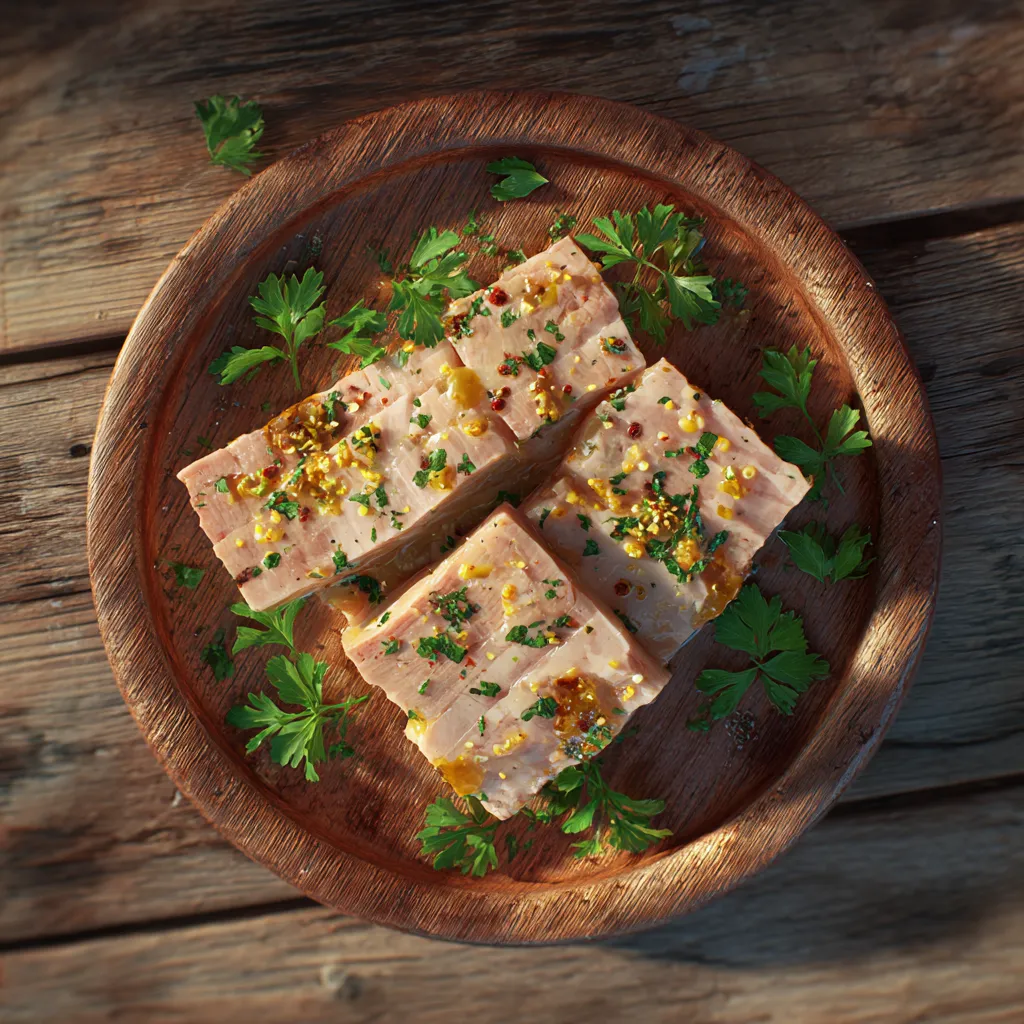
The choice of constituents is paramount when it comes to a flawless brawn how-to, all homemade. The key ingredient is high-collagen pork to form the natural jelly. Typical options are pig’s head, neck, and hocks (pork shank), trotters, ears, cheeks, and skin. Since these cuts release gelatin during cooking, many traditional recipes require no artificial gelling agents.
The flavor of the brawn recipe depends on the seasoning added to it. Garlic is one of the most popular ingredients in terms of depth and aroma. We bring in sweetness from the onions, balanced with a combination of bay leaves, black peppercorns, and sea salt. For more complexity in some regional recipes, you find cloves, allspice, thyme, or parsley, and juniper berries added.
Water is also used in a brawn recipe, and it has the same value as we will extract gelatin from it, which should be dry. During the long cooking process, collagen pours into solution in a rich liquid that gels when cool. Balancing the ratio of water to meat is critical—too little, or too much, and your brawn will not set correctly while being all dry-meat-paste-like.
| Ingredient | Quantity | Purpose in Homemade Brawn Recipe |
|---|---|---|
| Pig’s head | 1 small (1.5–2 kg) | Provides meat, collagen, and rich flavor. |
| Pork trotters | 2–4 pieces | Adds natural gelatin for proper setting. |
| Pork ears | 2 pieces | Enhances texture and collagen content. |
| Pork cheeks | 500 g (1 lb) | Contributes tender, flavorful meat. |
| Pork skin (optional) | 250–500 g | Increases gelatin and firmness. |
| Water | 4–5 liters | Cooking liquid for extracting collagen. |
| Onion | 2 medium | Adds sweetness and depth of flavor. |
| Garlic | 4 cloves | Provides aromatic flavor. |
| Bay leaves | 3 leaves | Adds traditional herbal notes. |
| Black peppercorns | 1 tablespoon | Enhances overall seasoning. |
| Salt | 1–2 tablespoons | Balances and intensifies flavor. |
| Fresh parsley (optional) | 2 tablespoons | Adds freshness and color. |
| Fresh thyme (optional) | 2–3 sprigs | Provides earthy flavor. |
| Juniper berries (optional) | 4–6 berries | Adds traditional European flavor. |
| Cloves (optional) | 2–3 whole cloves | Adds subtle warmth and aroma. |
| Nutmeg (optional) | ¼ teaspoon | Enhances depth of flavor. |
| Mustard (for serving) | As desired | Traditional accompaniment. |
| Pickles (for serving) | As desired | Adds acidity and contrast. |
| Crusty bread (for serving) | As desired | Complements the texture and flavor. |
Equipment Needed for a Homemade Brawn Recipe
A few important kitchen tools are also required for getting your homemade brawn recipe up and running. These pork cuts do need a lot of space, so you’ll want to use a large stockpot. Make sure the pot is big enough to allow all of that meat to be well submerged and also allows room for stock without spilling over.
When making a homemade brawn recipe, you also need sharp knives. The meat is then stripped of bones, cartilage, and excess fat post-cooking before being chopped into fine pieces. This process is safer, easier, and it helps to create a consistent meat texture when you use a robust cutting board & quality knife.
Molds or a loaf pan are the last piece of equipment crucial to your homemade brawn recipe. After mixing the meat and broth together, it is poured into molds to cool down and set. Traditional cooks may utilize ceramic molds, while modern cooks often use loaf tins or even food-safe containers. Chilling the mixture by pressing helps to hold things together in a neat (and good-looking) way.
How to Choose the Best Pork for a Homemade Brawn Recipe
The type of pork you use is what makes or breaks a brawn recipe. If you can find a reliable butcher who sells fresh pork, use that, as it will be better for taste and texture. Choose cuts with a good mixture of meat, skin, and connective tissue because this comprises the finished structure of the brawn.
Pig’s head is still most often used as an ingredient in a source recipe for your own brawn due to its many different cuts — each of which softens while it’s cooking. The cheeks and tongue, along with the surrounding meat, lend a characteristically superb flavor, while skin plus connective tissues help to liberate enormous amounts of natural gelatin into the stock.
Hocks and trotters are also quite useful for a brawn recipe. These gelatin-rich cuts may not be used for the head of a pig, then, but these same parts can help provide enough gelatin to make sure your broth sets just right. Brawn is usually the best with a blend of different cuts, which leads to such an excellent flavor and texture combination: firm meat that somehow manages to be tender.
Homemade Brawn Recipe: Step-by-Step Guide
This sounds like a complicated recipe for brawn, but created from start to finish, it is an easy and tasty strong result! The full method is divided into relative steps — from selecting the right ingredient to finishing chilling.
Step 1: Gather Ingredients
For a traditional homemade brawn recipe, you will need:
- Pork cuts: pig’s head, trotters, ears, and cheeks (about 2–3 kg total)
- Aromatics and seasonings: 1–2 onions, 3–4 cloves garlic, 2–3 bay leaves, 1 tablespoon black peppercorns, salt to taste
- Optional herbs/spices: thyme, parsley, juniper berries, or cloves for regional variations
- Water: enough to cover the meat in a large stockpot
Selecting fresh, high-quality pork is essential, as the collagen-rich parts will create the natural gelatin necessary for a firm set.
Step 2: Prepare the Meat
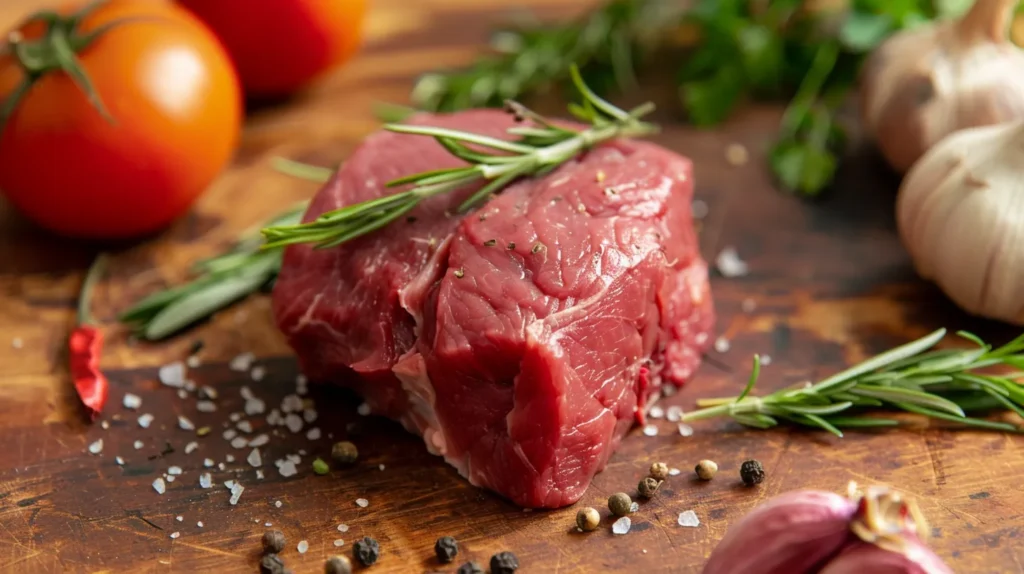
- Rinse the pork cuts thoroughly under cold water.
- Trim excess fat if desired, but leave some fat and skin intact for flavor and gelatin.
- Cut larger pieces into manageable portions so they fit comfortably in your stockpot.
Preparing the meat with care ensures an even cook internally and helps to eliminate any bone or cartilage later. Correctly trimmed also avoids a greasy texture, but allows you to retain the lovely transparent jelly that your homemade brawn recipe produces.
Step 3: Simmer the Pork
- Place all pork cuts in a large stockpot and cover with cold water.
- Add onions, garlic, bay leaves, and peppercorns. Include optional herbs at this stage if desired.
- Bring to a gentle boil, then reduce heat to a low simmer.
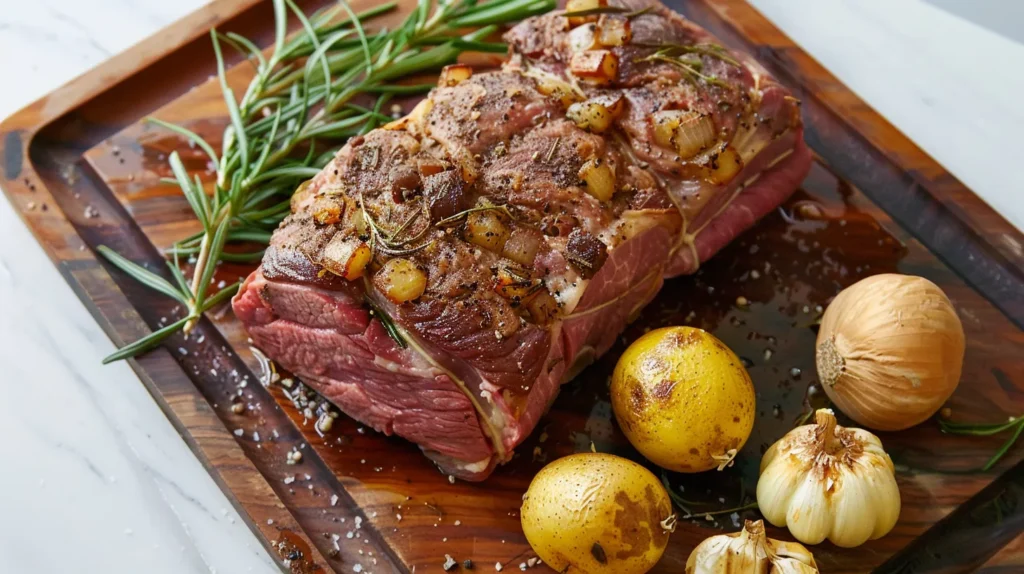
Simmer the pork for 3–5 hours, occasionally skimming off impurities or foam that rises to the surface. The long, slow cooking breaks down collagen and connective tissue, producing a natural, gelatin-rich broth for your homemade brawn recipe.
Step 4: Remove Meat and Strain Broth
- Carefully remove the cooked pork and set aside to cool slightly.
- Strain the broth through a fine-mesh sieve to remove solids and achieve a clear jelly base.
This step ensures a smooth, flavorful gel without bones, skin fragments, or herbs floating in the final dish. Retaining enough liquid is important because it will later help the brawn set properly.

Step 5: Separate Meat from Bones
- Once the pork is cool enough to handle, pick the meat from the bones, ears, and trotters.
- Discard any cartilage or gristle that is not palatable.
- Chop the meat into small, uniform pieces.
This preparation guarantees an even texture and distributes the flavors consistently in your homemade brawn recipe.
Step 6: Combine Meat with Broth
- Place the chopped meat in a mold, loaf pan, or terrine.
- Pour the strained, hot broth over the meat until fully covered.
- Gently press the mixture to remove air pockets and ensure even gelatin coverage.
The right ratio of meat to broth is key: too much broth may prevent firm setting, while too little can result in a dry brawn.
Step 7: Chill and Set
- Allow the brawn to cool at room temperature for 30–60 minutes.
- Cover and refrigerate for 6–12 hours or until fully set.
The cooling process solidifies the natural gelatin, producing the firm, sliceable texture that characterizes a traditional homemade brawn recipe.

Step 8: Serve and Store
- Carefully remove the brawn from the mold and slice into pieces.
- Serve cold, garnished with fresh herbs or alongside mustard and crusty bread.
- Store leftovers in the refrigerator for up to 5 days.
Homemade brawn can also be portioned and frozen for longer storage. The dish maintains its flavor and texture well, making it ideal for preparing in advance for festive occasions or family meals.
Health Benefits of Homemade Brawn Recipe
Rich Source of Protein
One of the main benefits of a brawn recipe at home is its high protein nature. Brawn is an important source of protein, with the amino acids found in pork being vital for maintaining muscle and repairing tissue, as well as providing nutrients to keep other bodily functions going. Protein keeps skin, hair, and nails healthy too, so brawn is a tasty AND nutritious pasta.
Homemade brawn recipe perks you up with a feeling of satiety, helping to avoid unnecessary snacking between meals. Protein requires longer digestion time than carbohydrates and therefore helps stabilise energy levels, enhancing appetite regulation during the day.
Unlike so many of the world’s heavily processed meat products, with a brawn recipe made in your kitchen, you can be sure what goes into it. Choose the leanest cuts of pork you can find and avoid a lot of extra salt or preservatives when making this protein-filled dish that fits well within your nutritional goals while staying true to classic flavors.
Naturally High in Collagen and Gelatin
Classically, brawn is produced from pork parts like trotters and back skin, which are rich in collagen. The slow cooking process yields a gel-like brawn, as collagen melts into gelatin—firm and jelly-like.
Collagen: a structural protein that is found throughout the body (especially skin, joints, tendons, and connective tissue). Collagen is rich in many foods, and some that are good to add into your diet as part of a varied, balanced eating pattern, enhancing the body’s ability, such as a homemade brawn recipe.
Unlike a traditional brawn recipe, the gelatin in your homemade creation adds not only its own distinct mouthfeel but also a satisfying texture to chew through. Gelatin-rich foods are a staple of many traditional diets worldwide; these recipes utilize richer parts of animals that almost no one cooks with today.
Supports Joint and Connective Tissue Health
Gelatin sourced from collagen in a homemade brawn recipe provides amino acids like glycine and proline, two essential building blocks necessary for the connective tissues all over your body. These are naturally occurring nutrients present in collagen-poor meats and broths that dissolve slowly during longer cook times.
Because foods that contain collagen have been known to promote comfort and mobility in joints, many individuals incorporate a do-it-yourself brawn recipe as part of an exemplary whole food diet. No single food is going to prevent joint disease, but having brawn as part of your diet can provide nutrients that contribute to variety.
By regularly adding a brawn recipe made at home into your nutritionally balanced mealtime, you might increase the amount of naturally occurring collagen and protein consumed in your diet per day. When taken along with an active lifestyle and conventional dietary practices, these nutrients serve as a foundation for normal body structure/function.
Contains Essential Vitamins and Minerals
Whole Food Plant-Based: A homemade brawn is packed with protein and collagen for much more than just the goodies it provides. The long cooking time allows us to extract nutrients from the meat, bones, and connective tissues that are soluble in broth. Brawn can also be a source of minerals like iron, zinc, phosphorus, and selenium, depending on the exact ingredients used.
Iron aids in the transportation of oxygen throughout your body, and zinc plays a key role during cell division, therefore also contributes to immune function. A few homemade brawn recipes can add small but meaningful amounts of these important minerals to your diet, so if consumed in moderation as part of a varied and balanced diet, brawn is considered nutrient-dense.
Also, in the own recipe for brawn, there are usually garlic, onion, and herbs that give more taste to the meat without increasing calories. These core components can potentially improve both the nutritional quality and sensory appeal of a recipe.
May Support Skin Health
Collagen is essential for skin health, and the homemade brawn preparation method consists of simmering bones (meat), which produces collagen-derived gelatin. Since collagen is a key structural protein in skin tissue, some foods rich in this nutrient could be useful as part of an overall healthful diet.
A natural brawn recipe is rich in amino acids and supplies the body with building blocks that are used by many biological processes (including maintaining the integrity of skin). Dietary collagen may not be a substitute for proper skincare, but it has its own value in promoting health as part of an overall healthy lifestyle and balanced nutrition plan.
As a recipe for homemade brawn is often cooked using traditional cooking methods with only simple ingredients, it represents an authentic alternative to highly processed foods. Most people are looking for wholesome food sources that naturally provide nutrients to improve health and feel better.
Encourages Nose-to-Tail Eating and Sustainability
One other key advantage of a brawn recipe made from home is the function it performs to ward off food waste. Including off-cuts that are borderline wasted to maximize nutrition, brawn includes elements of the animal’s use often neglected in traditional meat production.
While you should use collagen-rich cuts that may otherwise go in the bin, a homemade brawn recipe educates you to consume more responsibly. Such practice mirrors traditional cooking methodologies, whereby every part of the animal that was edible became valuable and was to be utilized.
An artisanal brawn recipe merges sustainability, nutrition, and culinary history for the home cook of today. This will allow families to savor flavorful meals while embracing a more resource-conscious approach to the cooking process.

Conclusion
A traditional dish, a homemade brawn recipe, is not just any delicacy — it encapsulates the joy of heritage and crafty usage with richly authentic taste. By employing humble ingredients and traditional skills, a sumptuous broth packed with flavour can be simplified into meat jelly — the prime example of nose-to-tail. With succulent meat, rich broth, and a sticky gelatine texture that sets naturally upon cooling, brawn is one of the world’s favourite home recipes.
The biggest unique benefit of a homemade brawn recipe is the ability to control what you eat in terms of quality and flavor. From classic preparations with garlic and peppercorns to a local style studded with herbs and spices, preparing brawn yourself means you control every element of the dish. Along with its robust taste, homemade brawn offers protein — collagen and the vitamins that accompany it, making a notable contribution to nourishing people as part of their frequent balanced diet.
With renewed interest in traditional foods, the diy brawn recipe is an important reminder that we need to preserve our food heritage. All you need is a little time and effort — if prepared according to my instructions, with the right-quality ingredients, anyone can master this classic recipe and experience its unique flavor. Brawn can be a cold starter, maybe featured on party boards or served as part of the family dinner table, but either way, homemade brawn is both delicious and simple to prepare, whilst harking back to generations seasoned through practise.
Share Your Twist!
Every family has a different variant of a homemade brawn recipe, and that is part of the beauty of this traditional dish. While some cooks loathe cooking with garlic, adding banking on the flavor, others will usher in new herbs to deluge flesh with pungent pepper or warming spices for a distinctive taste. Ranging from parsley and thyme to cloves or even a dash of vinegar, the combination used gives each brawn its unique profile.
Making brawn at home is a perfect introduction to composing it into your own recipe, however. You could combine pork parts for a more complex texture; add some vegetables to the broth (carrot, yam) and tweak seasonings for your tastes. The traditional stands as is, with those little tweaks reflecting your culinary genre signature.
Why Are You Making A Unique Version Of The Homemade Brawn Recipe? We’d love to hear about it! In the comments below, share your must-have ingredients, unique spices, or family recipes. Someone using those tips or getting a little more creative than that could lead to a discovery by the home cook who is seeking easy methods for modifying this savory comfort food.

waw